

Space Summit Asia/Pacific 2026
Date: Tuesday, October 13, 2026 - Wednesday, October 14, 2026
Location: Nikko Narita/Tokyo-Narita, Japan
Confirmed Speakers
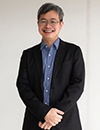
Chia-Wen Tsao, Professor, Department of Mechanical Engineering, National Central University, Taiwan

Kuniko Okada, General Manager, Sales and Business Management Department, Japan Manned Space Systems Corporation (JMASS)

Masayuki Goto, Representative Director of Space Medical Accelerator

Ngan F. Huang, Associate Professor, Stanford University

Giuseppe Intini, Associate Professor, University of Pittsburgh

Liz Warren, ISS Deputy Chief Scientist, NASA

Melanie Coathup, Professor of Medicine/Lead, Biionix Cluster, University of Central Florida, The Stephen W. Hawking Center for Microgravity Research & Education, Florida Space Institute

Tobias Niederwieser, Assistant Research Professor, BioServe Space Technologies

Kristin Kopperud, Aerospace Industry Professional -- Conference Chairperson
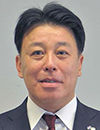
Louis Yuge, Founder, CTO Space Bio-Laboratories; Professor, E Hiroshima University

Michael Roberts, Chief Scientific Officer, International Space Station National Laboratory (CASIS)

Volker Hessel, Professor, Adelaide University -- Conference Consultative Co-Chair
Overview of the Conference
SelectBIO Space Summit Asia/Pacific 2026 will be held October 13-14, 2026 at the Hotel Nikko Narita, right at Tokyo-Narita, Japan.
The conference is being chaired by Dr. Kristin Kopperud, an Aerospace Industry Professional and brings together both academic and companies involved in research and commercial efforts in low earth orbit (LEO).
This summit is composed of scientific presentations on the latest research on tisuse chips and 3D-bioprinting and how these platforms are being deployed on board the international space station (ISS) 250 miles above the earth surface enabling experiments in microgravity.
This summit also brings together companies developing tools and platforms for bio-manufacturing in LEO.
Finally the impact of emerging private space stations enabling commercial activity in LEO will be presented and framed in the contxt of opportunities for companies to develop products in microgravity.
Attendees receive full access to the all the other co-located tracks at this confernce for a thorough engagement with scientific exchange and extensive networking opportunities.
The conference is held right at Tokyo-Narita Airport with direct connections to destinations worldwide.
Abstracts Submission for Oral Presentations & Posters
Agenda Topics Covered at this Conference
You can also present your research in an oral presentation or poster while attending the meeting. Submit an abstract for consideration under the Submissions tab of this conference website
Oral Presentation Abstract Submission Deadline: June 30, 2026
Poster Abstract Submission Deadline: October 1, 2026
3D-Bioprinting in Orbit
3D-Organoid Models for Disease in Microgravity Conditions
Biomanufacturing in Space
Effect of Microgravity on Drug Responses
Flow Chemistry - Chemistry in Space
Organs-on-Chips as a Platform for Studying Effects of Microgravity on Human Physiology
Tissue Chips in Space NIH/NCATS-ISS US National Laboratory Projects
Research Projects in Low Earth Orbit (LEO)
Private Space Stations offering Commercial Access to LEO for Research, Development and Manufacturing
Platform Providers Offering Access to LEO for Scientific Research Projects
Sponsorship and Exhibition Opportunities
Delegate Registrations for the Conference
Please register online for the conference.
Any questions or assistance during registration, please e-mail us at: Contact SelectBIO
Gold Sponsors


Exhibitors
Sponsorship and Exhibition Opportunities
If you require any information about exhibiting or sponsoring at one of our events please contact Jeff Fan using the information below:
Jeff Fan
Exhibition Manager - SelectBIO Conferences
Why Sponsor-Exhibit at a SelectBIO Conference?
Specialists: SelectBIO doesn't organize conferences in shipping, accountancy, textiles etc. – just life sciences. Many of our staff have bioscience qualifications and many years of experience. So, we speak your language and understand your needs.
Superior Customer Service: Our sales team will take care of you with specialist advice and customized packages.
We don’t forget you after you sign on the bottom line either as our customer service dept. will alert you to all the things you need to think about up to and during the event itself.
Space Summit Asia/Pacific 2026 Conference Venue
SelectBIO is delighted to host the Space Summit Asia/Pacific 2026 Conference at the following venue right at Tokyo-Narita Airport:
Hotel Nikko Narita
500 Tokko Narita-shi
Chiba 286-0106
Japan
Telephone: +81-476-32-0032
The Hotel Nikko Narita is very easily accessible from international destinations via Tokyo Narita International Airport (Airport Code: NRT).
The hotel can be accessed easily from Narita International Airport via a complimentary bus, usually around 10-15 minutes to and from the airport, depending on terminal chosen.
Distance-wise airport to the hotel is approximately 3 kilometers (1.8 miles).
If you are arriving to Narita Terminal 1, the shuttle to the hotel stops at bus stop # 16.
If you are arriving to Narita Terminal 2, the shuttle to the hotel stops at bus stop # 33.
Guests can make hotel bookings as well as see the different room types on the hotel website -- link below:


For any questions with the venue or logistics matters, please kindly contact SelectBIO Conferenes:
Jeff Fan
Events Manager, SelectBIO Conferences
E-mail: Jeff@selectbioconferences.com
SelectBIO has NOT authorized ANY third party company to assist in hotel bookings or any bookings or reservations for this conference. Please do NOT do business with any third party companies. If in doubt, please contact Jeff Fan immediately to clarify.
Register to this conference and also enjoy the following co-located events at no extra charge.
Training Courses
If you would like to submit a proposal for an oral or poster presentation at this meeting, please fill out the form below required for your submission.
Successful applicants will be provided with all necessary information.
Abstract Content:
-
Written in English
-
Written in the third person
-
Include title, name(s) and affiliation(s) of the authors
-
Between 100 - 200 words
-
Suitable for direct publication in the proceedings pack and on the website
-
Related to the subject of the conference
Agenda Topics
3D-Bioprinting in Orbit
3D-Organoid Models for Disease in Microgravity Conditions
Biomanufacturing in Space
Effect of Microgravity on Drug Responses
Flow Chemistry - Chemistry in Space
Organs-on-Chips as a Platform for Studying Effects of Microgravity on Human Physiology
Tissue Chips in Space NIH/NCATS-ISS US National Laboratory Projects
Research Projects in Low Earth Orbit (LEO)
Private Space Stations offering Commercial Access to LEO for Research, Development and Manufacturing
Platform Providers Offering Access to LEO for Scientific Research Projects
Copyrights
The presenting author/person who submitted the abstract assumes full responsibility of the content of the abstract and we assume that all co-authors are aware of this content. Please note that your biography, summary and abstract may be used on this website and conference materials.
Chia-Wen Tsao, Professor, Department of Mechanical Engineering, National Central University
Chia-Wen Tsao Biographical Sketch
Professor Chia-Wen Tsao is currently a Professor and the Associate Chairman of the Department of Mechanical Engineering at National Central University (NCU), Taiwan. He also serves as the Secretary-General of Taiwan Society of Fluid Mechanics and previously held the positions of Director and Deputy Director of the Center for Academia-Industry Cooperation at NCU. He received his Master’s and Ph.D. degrees in Mechanical Engineering from the University of Colorado Boulder and the University of Maryland, College Park, respectively. Professor Tsao’s expertise in microfluidics, Lab-on-a-Chip (LOC) technologies, micro/nano-fabrication, Surface-Enhanced Raman Spectroscopy (SERS), Mass Spectrometry (MS), and micro heat sinks.
Giuseppe Intini, Associate Professor, University of Pittsburgh
Giuseppe Intini Biographical Sketch
Giuseppe Intini is a tenured Associate Professor at the University of Pittsburgh School of Dental Medicine. In addition to his primary appointment at the School of Dental Medicine, Dr Intini is an Associate Professor of Medicine (Hematology/Oncology) at the Medical School and a member of the Hillman Cancer Center. He is a co-director of the Pittsburgh Center for Interdisciplinary Bone and Mineral Research. Dr. Intini studies bone biology and bone cancer biology. His research is funded by the NIH, CASIS/NASA, and by other entities, including the Pittsburgh Cure Sarcoma foundation and the Osteosarcoma Institute. Dr. Intini’s research in the field of Space Medicine focuses on the effects that microgravity has on skeletal stem cells and on bone homeostasis.
Kristin Kopperud, Aerospace Industry Professional -- Conference Chairperson
Kristin Kopperud Biographical Sketch
Dr. Kristin Kopperud is an aerospace industry veteran with experience in operations project management and expertise in tissue engineering and regenerative medicine experiments in microgravity. Her previous position at the Center for the Advancement of Science in Space, Inc. (CASIS), which manages the International Space Station (ISS) National Laboratory, as Science Program Director of Biological Sciences in the Research and Innovation department included focus areas in biomanufacturing, in-space production applications, and rodent research. Dr. Kopperud received BS degrees in Biotechnology and Biology from the University of Kentucky. She earned her PhD in Biological Sciences from Florida Institute of Technology in Melbourne, FL studying circadian rhythms in the Atlantic tarpon. While she moved to Florida to pursue a career in marine biology, she was captivated by the space culture that was inescapable on the Space Coast. During graduate school, she taught undergraduate laboratory sections of Mammalian Physiology and Biology and was recruited to serve as a Research Support Scientist for several ISS National Lab-sponsored Rodent Research missions, serving as a surrogate for the crew on the ISS.
Kuniko Okada, General Manager, Sales and Business Management Department, Japan Manned Space Systems Corporation (JMASS)
Kuniko Okada Biographical Sketch
Kuniko Okada leads business development and commercialization initiatives in low Earth orbit (LEO). She has built over 20 years of experience in human spaceflight operations, primarily supporting the International Space Station (ISS) and the Japanese Experiment Module “Kibo.” Her work has included user integration, payload operations, and procedure development to enable safe and effective on-orbit experiments. Since becoming a manager in 2016, she has held leadership roles across experiment operations, utilization promotion, and advanced business development. Since 2021, she has focused on advancing commercial utilization of LEO, contributing to the transition toward a market-driven space ecosystem through new business models and international collaboration. With deep operational expertise and a strong commercialization focus, she plays a key role in bridging ISS heritage and the future of commercial human spaceflight.
Liz Warren, ISS Deputy Chief Scientist, NASA
Liz Warren Biographical Sketch
Liz Warren, Ph.D. is the International Space Station Deputy Chief Scientist. She has a wealth of experience from over 25 years of spaceflight research involvement, including space shuttle missions, the Mir space station, and ISS. Liz was born and raised in the San Francisco Bay Area, and attended the University of California at Davis for both her undergraduate and doctorate degrees in physiology. For her doctoral work, she investigated the effects of gravity as a continuum on energy balance in rats. She completed post-doctoral work in cancer biology at the San Francisco Veterans Affairs Laboratory of Cell Growth and in the Neuroscience Laboratory at NASA’s Johnson Space Center. Liz most recently served as KBR’s Chief Scientist for NASA’s Human Health and Performance contract. Prior to that, Liz was the Director of Research Development for Blue Origin’s Orbital Reef commercial space station. She has also served at the ISS National Lab and in NASA’s Mission Control Center.
Liz is a passionate science communicator and advocate for STEM.
Louis Yuge, Founder, CTO Space Bio-Laboratories; Professor, E Hiroshima University
Louis Yuge Biographical Sketch
Director and CTO of Space Bio Laboratories (SBL)
Director of Ube MCC Space Regenerative Medicine Center
Expert Supporter of Nakanoshima Qross, a general incorporated foundation
Professor E Hiroshima University (Graduate School of Biomedical Sciences)
1999: Hiroshima University Graduate School of Medicine, 2000 PhD (Doctor of Medicine)
005: Professor at the Hiroshima University
Director, CTO, Space Bio-Laboratories Co., Ltd., a university-launched venture company
2009: University of California at Los Angeles (UCLA) Visiting Professor
2015: NASA Kennedy Space Center advisory committee members, Director of Space Regenerative Medicine Center, Hiroshima University
2018: President of the Japanese Society for Regenerative Medicine and Rehabilitation
2023: Professor E, Graduate School of Biomedical Sciences, Hiroshima University Visiting Professor at Ken Walker International University
Masayuki Goto, Representative Director of Space Medical Accelerator
Masayuki Goto Biographical Sketch
Neurosurgeon, PhD in space medicine, Aerospace medicine expert
Melanie Coathup, Professor of Medicine/Lead, Biionix Cluster, University of Central Florida, The Stephen W. Hawking Center for Microgravity Research & Education, Florida Space Institute
Melanie Coathup Biographical Sketch
Dr. Coathup is a Professor of Medicine at the Department of Medicine, College of Medicine, University of Central Florida. She is also Lead of the Biionix (Bionic Implants, Materials, & Interfaces) Cluster and a member of the Florida Space Institute, and Stephen W. Hawking Center for Microgravity Research and Education. Dr. Coathup obtained her PhD from University College London (UCL), UK, and later became Head of the Center for Tissue and Cell Research and Women in Science lead at UCL. In 2023, Dr. Coathup was inducted as a Fellow of the American Institute of Medical and Biological Engineering. Dr. Coathup’s research is focused on interdisciplinary-based innovation with the view of applying scientific discovery to improve the treatment and care of people. Her research focuses on developing novel antibacterial products, as well as advancing biomaterials, and small molecule therapeutics that boost bone repair when under challenging and complex physiological conditions. This includes aging, infection, ionizing radiation-induced injury, and bone health when in space.
Michael Roberts, Chief Scientific Officer, International Space Station National Laboratory (CASIS)
Michael Roberts Biographical Sketch
Michael S. Roberts, PhD is the Chief Scientific Officer of the ISS National Laboratory, managed by the Center for the Advancement of Science in Space, Inc. (CASIS). Before joining CASIS, Michael worked as a principal investigator and research group lead in the NASA Advanced Life Support program at the Kennedy Space Center. Prior to arriving at NASA -KSC in 1999, Michael completed an undergraduate degree in biology at Maryville College, a doctorate in microbiology at Wesleyan University and post-doctoral research at the Center for Microbial Ecology at Michigan State University and the RIKEN Institute in Wako-shi, Japan.
Ngan F. Huang, Associate Professor, Stanford University
Ngan F. Huang Biographical Sketch
Ngan F. Huang is an Associate Professor in the Department of Cardiothoracic Surgery at Stanford University. Dr. Huang completed her BS in Chemical Engineering from the Massachusetts Institute of Technology, followed by a PhD in bioengineering from the University of California Berkeley & University of California San Francisco Joint Program in Bioengineering. Prior to joining the faculty, she was a postdoctoral scholar in the Division of Cardiovascular Medicine at Stanford University. Her laboratory investigates the interactions between stem cells and extracellular matrix microenvironment for engineering cardiovascular tissues to treat cardiovascular and musculoskeletal diseases. Recent research focuses on the role of microgravity for drug screening of engineered muscle tissue for reversing aging and atrophy. Dr. Huang has authored over 100 publications and patents, including those in Nat Med, PNAS, and Circ Res. She has received numerous honors, most recently including the Society for Biomaterials Mid-Career Award, the Alan Hirsch Mid-Career Award in Vascular Medicine from the American Heart Association, and the inaugural Elena Aikawa Trailblazer award from the International Society for Applied Cardiovascular Biology. She has been inducted as a fellow of the American Heart Association as well as the American Institute for Medical and Biological Engineering. She has active or completed projects funded by the National Institutes of Health, National Science Foundation, American Heart Association Department of Defense, California Institute of Regenerative Medicine, and Department of Veteran Affairs.
Tobias Niederwieser, Assistant Research Professor, BioServe Space Technologies
Tobias Niederwieser Biographical Sketch
Tobias Niederwieser is an Assistant Research Professor at BioServe Space Technologies within the University of Colorado Boulder where he serves as Principal Investigator on several grants for space life science experiments. Of particular focus is the in-space manufacturing of human pluripotent stem cells for regenerative therapy applications on Earth. Previously, he led the development of several novel facilities operating continuously onboard the ISS since 2015 including science incubators, centrifuges, life support systems, as well as crew galley refrigerators that have enabled experiments on over 40 orbital launches. He is currently developing similar facilities for commercial and lunar space stations to continue BioServe’s role as leading implementation partner for life science experiments. Additionally, Tobias was involved in the DSRG radiation biology experiment onboard Artemis-I conducting the furthest active biology experiment with sample return ever performed.
Volker Hessel, Professor, Adelaide University -- Conference Consultative Co-Chair
Volker Hessel Biographical Sketch
Professor Volker Hessel studied chemistry at Mainz University/D. 1994: Institut für Mikrotechnik Mainz/Germany (Director R&D); 2005: Professor Eindhoven University of Technology/NL; 2018: Deputy Dean (Research), Professor University of Adelaide, Australia; 2019: part-time professor University of Warwick/UK.
He is author of 678 peer-reviewed publications (h-index: 90; >37,000 citations). He received the AIChE Excellence in Process Development Research Award, IUPAC ThalesNano Prize in Flow Chemistry. He is program lead in the ARC Centre of Excellence Plants for Space (P4S), and is Research Director of the Andy Thomas Centre for Space Resources. He received several EU’s research excellence grants (ERC Advanced/Proof of Concept/Synergy, FET OPEN). He is a member on the College of Experts for the National Research Foundation (NRF) within the Prime Minister’s Office."
08:00
13 October 2026
Conference Entrance
Participants Check-In

Conference Registration, Conference Materials Pick-Up, Coffee, Tea and Networking
09:00
13 October 2026
Kaede Room
Chairperson's Welcome

Kristin Kopperud, Aerospace Industry Professional -- Conference Chairperson
Welcome and Introduction to Space Summit Asia/Pacific 2026 by Conference Chairperson
09:30
13 October 2026
Kaede Room
Keynote Presentation

Michael Roberts, Chief Scientific Officer, International Space Station National Laboratory (CASIS), United States of America
Models and Outcomes of Public-Private Partnerships on the International Space Station National Lab
Research in low Earth orbit not only enables exploration, but it also accelerates scientific discovery for the translation of observations into applications for humanity that improve health outcomes on Earth, fuels innovation in manufacturing and in materials science, and creates economic value for the nation.
10:00
13 October 2026
Exhibits -- Foyer
Mid-Morning Coffee and Tea Break and Networking
10:30
13 October 2026
Kaede Room

Melanie Coathup, Professor of Medicine/Lead, Biionix Cluster, University of Central Florida, The Stephen W. Hawking Center for Microgravity Research & Education, Florida Space Institute, United States of America
Preventing Radiation- and Microgravity-Induced Injury: A Novel Countermeasure to Protect Bone
Musculoskeletal atrophy has important implications for astronaut health. Due to the extended time in near weightlessness during prolonged spaceflight beyond low-Earth orbit, together with the increased exposure to high energy radiation, the development of novel strategies that are effective in preventing and treating bone atrophy are ongoing. The toxicity to tissue occurs in part, through the generation of excess reactive oxygen species (ROS) causing genomic instability/damage, the release of proinflammatory cytokines, chronic inflammation, apoptosis, senescence, metabolic dysfunction, adipogenesis, and bone loss and fragility. In this presentation, two novel radioprotectors will be discussed. Firstly, non-toxic cerium oxide nanoparticles (CeONPs) engineered to possess a higher fraction of trivalent (Ce3+) surface sites, are shown to neutralize ROS and mitigate radiation- and unloading-induced damage to bone architecture and strength in vivo. Preliminary results also show therapeutic efficacy to macrophages when exposed to a combination of simulated microgravity and gamma irradiation. Second, the aminopropyl carbazole, P7C3, also protects against radiation- and unloading-induced bone atrophy in vivo. Finally, and due to their synergistic and additive multifunctional mechanisms, combining CeONP-P7C3 delivers a superior treatment when tested as a radiomitigator. Ultimately, we aim to develop a protective and therapeutic radio-countermeasure that will safeguard crew members during exploration missions to the Moon and Mars, as well as supporting bone health on Earth.
11:00
13 October 2026
Kaede Room

Louis Yuge, Founder, CTO Space Bio-Laboratories; Professor, E Hiroshima University, Japan
The Practical Application and Significance of Space-based Regenerative Medicine for On-Earth Regenerative Medicine
Historically, research has only been possible in 1G environments. Why is it necessary to limit research to Earth's environment?
We developed the Gravite® gravity control device to lead terrestrial scientific research to a new dimension. Gravite® is expected to lead to entirely new research results and unknown discoveries. Gravite® is a device that can be used for research and development, particularly in regenerative medicine, astrobiology (cells, plants, microorganisms, etc.), and drug discovery. It is the world's only device that can not only create a microgravity environment of 1/1000th of a G, the same as the International Space Station, but also simulate hypergravity environments such as 2G and 3G, and even the gravitational environments of the Moon and Mars. Gravite® was introduced at NASA Kennedy Space Center in 2016 and has now been adopted by over 100 universities and research institutions worldwide. Many researchers around the world have achieved space experiments using the results obtained with Gravite®.
By 2025, we were able to introduce a large-scale Gravite® at NASA Kennedy Space Center. Larger Gravite® units are being deployed more frequently because they can carry microscopes, plant cultivation equipment, and large-scale experimental devices commonly used by researchers.
It is extremely important to experiment with results obtained on Earth in space and then realize those results on Earth. This platform ensures that space experiments do not end in space, but contribute to enriching human life on Earth. This time, we will present our results in the field of regenerative medicine.
11:30
13 October 2026
Kaede Room

Giuseppe Intini, Associate Professor, University of Pittsburgh, United States of America
Novel Therapeutic Strategies to Sustain Bone Loss in Space: Lessons from Mission RR-25
This presentation will focus on the findings from our Mission RR-25 regarding the molecular mechanisms that regulate bone mass homeostasis and regeneration in microgravity. We will discuss how these insights may lead to the development of novel therapeutic approaches to prevent or treat the debilitating bone loss that occurs during spaceflight.
12:00
13 October 2026
Kaede Room

Ngan F. Huang, Associate Professor, Stanford University, United States of America
Drug Screening Platform to Promote Muscle Regeneration Using Engineered Muscle-On-A-Chip Bioconstructs in Microgravity
Skeletal muscle undergoes impaired muscle regeneration and atrophy with progressive aging. Given the unique qualities of microgravity to accelerate the aging and muscle disuse process, we previously demonstrated that engineered skeletal muscle in microgravity mimics salient aspects of muscle aging and impaired regeneration. As a continuation of this work, here we describe the ongoing drug screening studies to counteract microgravity effects. We will discuss the development of an intermediate platform using simulated microgravity for initial screening and optimization and target drug identification, followed by plans to verify drug effects in real microgravity aboard the International Space Station National Labs.
12:30
13 October 2026
Exhibits -- Foyer
Networking Lunch
**Japanese Bento**
View Posters and Network
13:30
13 October 2026
Kaede Room

Volker Hessel, Professor, Adelaide University, Australia
Pt-TRAIL: Platinum Recovery from Asteroid Resources Using Deep Eutectic Solvents, from Extraction to Economic Viability
Metal-rich asteroids are potential sources of platinum-group metals (PGMs), but their utilization requires both selective processing of platinum from the dominant Fe-Ni metal matrix and economically viable extraction architecture. This study combines laboratory-scale hydrometallurgical separation with techno-economic analysis (TEA) to assess a process pathway for platinum production from asteroid resources. This study aims to prepare a real asteroid mission, ‘Pt-TRAIL’, planned for 2028.
A synthetic asteroid-like Fe-Ni-Co-Pt system was subjected to chloride leaching followed by liquid–liquid extraction using decanoic-acid-based deep eutectic solvents (DESs). Rather than extracting Pt directly, the separation strategy preferentially removes the major base metals while retaining Pt in the aqueous phase for subsequent recovery. A DES comprising decanoic acid, Mextral 63H and picolinic acid extracted approximately 80-100% Fe, 89-98% Ni and 88-96% Co across the investigated phase ratios. At an organic-to-aqueous ratio of 1:30, Pt extraction decreased to approximately 18%, demonstrating preferential Pt retention relative to the base-metal matrix. These experimental findings provide the separation and beneficiation basis for evaluating how the proposed extraction process could perform when integrated into a larger-scale asteroid resource utilization architecture. Furthermore, a TEA is applied to determine the effects of platinum price, and learning-curve effects on multi-mission profitability. TEA was conducted for the entire process flow from excavation, extraction and finally resource concentration using DES solvent. A small-scale process is unable to generate profits as annual revenue is lower than annual opex while large scale is able to break even in year 5 or 6, including or excluding energy costs, respectively. Spacecraft reuse, multiple smaller spacecraft, and manufacturing learning effects increase cumulative profit, while processing throughput is the most sensitive technical parameter. Two nuclear-powered processing architectures, based on fission and fusion heating, are assessed because solar energy is limited in the Main Belt for sustained high-temperature processing. Fusion reaches break-even earlier because of lower initial infrastructure costs, whereas fission produces higher long-term profit after lunar infrastructure is amortized. Together, the experimental and economic results indicate that selective early-stage beneficiation, high processing throughput, reusable spacecraft and infrastructure, and reliable high-energy processing are key requirements for economically viable deep-space PGM extraction.
14:00
13 October 2026
Kaede Room
Spotlight Presentation


Kuniko Okada, General Manager, Sales and Business Management Department, Japan Manned Space Systems Corporation (JMASS), Japan
JAMSS Contributions to Research on the ISS and Commercial Space Stations
Since 1990, JAMSS has played a key role in supporting the operation and utilization of the Japanese Experiment Module "Kibo" on the International Space Station (ISS). Building on more than three decades of experience, JAMSS provides commercial access to Kibo and supports research and technology demonstrations for both domestic and international customers. Through its proprietary platforms, Kirara and KLABOX, JAMSS is further expanding its global service portfolio. The company is also preparing for the next era of human space exploration, with a focus on contributing to commercial space stations, and sustained lunar surface activities.
14:30
13 October 2026
Kaede Room

Chia-Wen Tsao, Professor, Department of Mechanical Engineering, National Central University, Taiwan
Development of a Modular Multi-Stimulation Microfluidic Platform for Space Biomedical Research
In recent years, the advancement of microfluidics and Lab-on-a-Chip technologies has propelled "Organ-on-a-Chip" (OOC) systems as an automatic platform for simulating physiological mechanisms in microscale environments, proving essential for biomedical research and drug development. Among these, the biomimetic cultivation and functional simulation of musculoskeletal cells play a pivotal role in investigating exercise physiology, regenerative medicine, and muscle atrophy.
In this presentation, I will introduce our developed Modular Multi-Stimulation OOC platform. This multifunctional system integrates microfluidic technology, conductive composite membranes, and a control system, offering multiple stimulation modalities alongside a highly flexible, modular design. The platform utilizes a conductive and highly stretchable polypyrrole-wrinkled polydimethylsiloxane (PPy/wPDMS) composite membrane as a cell culture carrier. Periodic mechanical stretching is generated via pneumatic negative pressure, while an electrical pulse control system provides adjustable frequency and intensity for stimulation.
15:00
13 October 2026
Exhibits -- Foyer
Mid-Afternoon Coffee Break and Networking
15:30
13 October 2026
Kaede Room

Masayuki Goto, Representative Director of Space Medical Accelerator, Japan
The Business of Space Medical Accelerator―Contributing to Advances in Medicine from Space
The Space Medical Accelerator team consists of doctors and medical researchers who specialize in space medicine and space biology. We provide medical support and advice to companies in the healthcare sector aiming to enter the space field, helping them to move forward by providing medical expertise and guidance. To achieve our goal of developing medicine on the ground by utilizing space, we are aiming for a ‘Space Bio Translational Platform’ and learning about the advanced space-bio business ecosystem in the U.S., which will encourage more players, such as pharmaceutical companies or university researchers, to enter this field. Today, we will introduce some of our achievements to date and would like to seek partnerships with U.S. players.
16:00
13 October 2026
Kaede Room

Tobias Niederwieser, Assistant Research Professor, BioServe Space Technologies, United States of America
From Lab to Factory: Enabling Biological Research and Manufacturing in Space
The presentation highlights BioServe’s role in advancing microgravity research, having supported over 100 orbital launches and hundreds of experiments. We are in a golden age aboard the International Space Station, with unprecedented research capacity and capability. This talk outlines BioServe’s role as an implementation partner helping scientists and entrepreneurs from all over the world to conduct their experiment successfully and efficiently in space. The focus is evolving beyond fundamental science and drug discovery toward identifying products that can be manufactured in space with superior qualities to those made on Earth. As commercial low Earth orbit destinations emerge, they introduce new opportunities and constraints, accelerating the transition from research to scalable in-space manufacturing and redefining the future of the space-based bioeconomy.
16:30
13 October 2026
Kaede Room
Panel Discussion
Kuniko Okada, General Manager, Sales and Business Management Department, Japan Manned Space Systems Corporation (JMASS), Japan
Panel Discussion Chaired by Kuniko Okada, General Manager, Sales and Business Management Department, Japan Manned Space Systems Corporation (JMASS)
17:30
13 October 2026
Exhibits -- Foyer
Japanese Beer Reception, Networking and Poster Viewing
18:30
13 October 2026
Close of Day 1 of the Conference
08:30
14 October 2026
Exhibits -- Foyer
Coffee, Tea and Networking
09:00
14 October 2026
Kaede Room
Day 2 Opening and Welcome by Chairperson
Kristin Kopperud, Aerospace Industry Professional -- Conference Chairperson
Introduction to Day 2 -- Topics Covered and Themes Addressed
09:15
14 October 2026
Kaede Room
Keynote Presentation

Liz Warren, ISS Deputy Chief Scientist, NASA, United States of America
International Space Station: Building on 25 Years in Orbit and Igniting the Orbital Economy
09:45
14 October 2026
Kaede Room
Technology Spotlight Presentation

Kristin Kopperud, Program Manager, LambdaVision, United States of America
In-Space Production of Protein-Based Artificial Retinas
LambdaVision has developed a protein-based artificial retina to restore vision to the millions of people blinded by retinal degenerative diseases. The artificial retina thin films are manufactured using layer-by-layer (LbL) assembly of the light-activated protein, bacteriorhodopsin, and a polycation binder. A microgravity environment is expected to improve quality of the films and, as a result, enhance the stability and function of the artificial retinas for future preclinical and clinical trials. We have consistently met the goal of assembling 200-layer films through 9 missions to the ISS and have continued to iterate on the LbL flight hardware design through rigorous ground prototyping. Recent advancements include improved chamber geometries and fluidic control, higher sample throughput, production scalability, and the use of in situ quality assessments to evaluate the progression of LbL assembly in real time. These developments lay the groundwork for future applications that leverage the ISS and future commercial LEO destinations.
10:30
14 October 2026
Exhibits -- Foyer
Mid-Morning Coffee and Tea Break and Networking
11:00
14 October 2026
Kaede Room
Panel Discussion: Implementing Science in Space
12:00
14 October 2026
Kaede Room
Spotlight Presentation
Presenter Details to be Confirmed
Presentation Title to be Confirmed
12:30
14 October 2026
Exhibits -- Foyer
Networking Lunch
**Japanese Bento**
View Posters and Network
13:30
14 October 2026
Kaede Room
Networking Breakout Sessions -- Network and Engage with Researchers, Industry Participants from the Co-Located Conference Tracks