

Microfluidics for Biomedical Innovation:
Organoids and Organs-on-Chips Shenzhen 2026
Date: Saturday, November 21, 2026 - Sunday, November 22, 2026
Location: Shenzhen, China
Confirmed Speakers

Chenzhong Li, XQ Deng Presidential Chair Professor, Department of Biomedical Engineering, Chinese University of Hong Kong [Shenzhen]
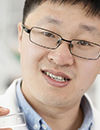
Lining (Arnold) Ju, Professor and Snow Fellow, School of Biomedical Engineering, The University of Sydney -- Conference Co-Chairperson

Noo Li Jeon, Professor, Seoul National University

Yanwei Jia, Associate Professor, University of Macau

Chwee Teck Lim, NUSS Chair Professor, National University of Singapore - Plenary Speaker

Lorena Diéguez, Leader of the Medical Devices Research Group, INL- International Iberian Nanotechnology Laboratory
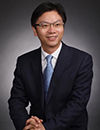
Qionglin Liang, Chair Professor of the Ministry of Education's "Changjiang Scholars" Program, Tsinghua University

Yoon-Kyoung Cho, Professor, Department of Biomedical Engineering; Dean, College of Information and Biotechnology UNIST (Ulsan National Institute of Science & Technology) - Plenary Speaker

Liang Zhao, Associate Professor, Beijing University of Technology -- Conference Co-Chairperson

Nan Zhang, Associate Professor, University College Dublin -- Conference Co-Chairperson

Yan-Jun Liu, Professor, Institutes of Biomedical Sciences, Fudan University
Overview of the Conference
SelectBIO Organoids and Organs-on-Chips Shenzhen 2026 is being held November 21-22, 2026 in Shenzhen, China.
Shenzhen is the perfect host city for this conference drawing upon its extensive infrastructure focused on technology development plus vast connections to researchers and companies all across China.
This Conference brings together academics and companies from across China, from across Asia/Pacific, plus Western Europe. This venue provides excellent networking opportunities for academic collaborations plus business development efforts for emerging and established companies.
SelectBIO is honored to welcome the following Esteemed Conference Chairpersons:
Professor Nan Zhang, Associate Professor, University College Dublin, Republic of Ireland
Professor Liang Zhao, Associate Professor, Beijing University of Technology, China
**Co-Located and Concurrent Track: Nanomedicine & Lipid Nanoparticles (LNPs) Shenzhen 2026**
The conference features exhibitors showcasing companies from around the world engaging with the participants -- the commercial program of this conference is fully-integrated with the scientific program.
The conference features scientific presentations, company technology spotlight presentations, exhibits, meals and networking events designed to foster scientific exchange, collaborations/partnerships and business development.
我們有17年在歐洲 (英國、德國、荷蘭、法國、西班牙)、美國、新加坡、日本、韓國等地辦微流體、生物醫療、生命科學等領域會議的經驗. . 此次深圳的會議是第一次在中國舉辦. 希望將歐美亞業界人士和中國業界人士、學術界人士和工業界人士在深圳一場熱烈且正面的交流. 全程以英語進行
.
會中有茶歇和午餐交流時間. 會場中有贊助單位桌擡.
Abstract Submission for Oral Presentations and Posters
You can also present your research in an oral presentation or on a poster while attending the meeting.
Submit an abstract under the Submissions Tab of this Conference Website.
Oral Presentation Abstract Submission Deadline: August 31, 2026
Poster Presentation Abstract Submission Deadline: November 15, 2026
Agenda Topics Covered at this Conference
Organoids, Organoid-on-a-Chip
Spheroids
Organs-on-Chips for Studying Disease Processes in vivo
Organs-on-Chips for Pharma Discovery & Development Process
Lung-on-a-Chip, Liver-on-a-Chip, Bone Marrow-on-a-Chip, etc.
Cancer-on-a-Chip, Metastasis-on-a-Chip, etc.
Microfluidics as a Platform for Building Organs-on-Chips
Technologies & Tools in the Organoids, Organs-on-Chips Fields
WeChat ID: SelectBIO2025
詢問請用中文或英文.

Sponsorship and Exhibition Opportunities
Delegate Registrations
Please contact SelectBIO if any questions during the conference registration process. Once the registration is successfully completed, you will receive your eTicket that you bring to the conference with you.
Any questions or assistance during registration, please call us at: +1 (510) 857-4865 or e-mail us at: Contact SelectBIO
Gold Sponsors

Exhibitors
Sponsorship and Exhibition Opportunities
Why Exhibit-Sponsor at a SelectBIO Conference?
WeChat ID: SelectBIO2025
詢問請用中文或英文.
Specialists: SelectBIO doesn't organize conferences in shipping, accountancy, textiles etc. – just the life sciences and related fields. Many of our staff have bioscience qualifications and many years of experience. So, we speak your language and understand your needs.
Superior Customer Service: Our sales team will take care of you with specialist advice and customized packages. We don’t forget you after you sign on the bottom line either as our customer service dept. will alert you to all the things you need to think about up to and during the event itself.
Microfluidics for Biomedical Innovation:
Organoids & Organs-on-Chips Shenzhen 2026 - Conference Venue
SelectBIO is pleased to host this conference at the following venue in Shenzhen, China:
Shenzhen Naive S Hotel(Xili Metro Station)
NAIVE S HOTEL,
No. 1378 Liuxian Avenue, Xili Street, Nanshan District, Shenzhen City, Guangdong Province, China
**The Hotel is 35-minutes Driving Time from Shenzhen Airport**
**The Hotel is 15-minutes Driving Time from Shenzhen Bay Port [A Border Crossing Point from Hong Kong into Shenzhen]**
Please book your hotel accommodation and if you have any questions, please contact Jeff Fan via e-mail -- the SelectBIO group rate is RMB450 per night which includes1-breakfast.
预订房间信息如下:
预订姓名:
入住日期:
离店日期:
预订房型:雅致大床房
房间数量:1间
房间价格:RMB450元
早餐份数:单早
付款方式:现付刷卡
备注:
**Appended Below is the Hotel Booking Hyperlink -- This is for the Standard Rate**
Hotel Details in English and Chinese:
Hotel Name:
深圳西麗奈威S飯店(萬科雲城店)
NAIVE S Hotel (Vanke Cloud City) Xili, Shenzhen
Hotel Address:
西麗街道麗城社區留仙大道1378號南國麗城1棟
No. 1378 Liuxian Avenue, Licheng Community, Xili Subdistrict, Nanshan District, Shenzhen


For Any Help with Hotel Bookings, Please Contact:
Jeff Fan
Exhibition Manager - SelectBIO Conferences
E-mail: Jeff@selectbioconferences.com
SelectBIO has NOT authorized ANY third party company to assist in hotel bookings or reservations for the conference. Please do NOT do business with any third party companies. If in doubt, please contact Jeff Fan immediately to clarify.
WeChat ID: SelectBIO2025
詢問請用中文或英文.
Register for this Conference and also Participate in the Following Co-Located Events at No Extra Charge.
Short Courses/Training Courses
If you would like to submit a proposal for an oral or poster presentation at this meeting, please fill out the form below required for your submission.
Successful applicants will be provided with all necessary information.
Abstract Content
-
Written in English
-
Written in the third person
-
Include title, name(s) and affiliation(s) of the authors
-
Between 100 - 200 words
-
Suitable for direct publication in the proceedings pack and on the website
-
Related to the subject of the conference
Agenda Topics
Organoids, Organoid-on-a-Chip
Spheroids
Organs-on-Chips for Studying Disease Processes in vivo
Organs-on-Chips for Pharma Discovery & Development Process
Lung-on-a-Chip, Liver-on-a-Chip, Bone Marrow-on-a-Chip, etc.
Cancer-on-a-Chip, Metastasis-on-a-Chip, etc.
Microfluidics as a Platform for Building Organs-on-Chips
Technologies & Tools in the Organoids, Organs-on-Chips Fields
Copyrights
The presenting author/person who submitted the abstract assumes full responsibility of the content of the abstract and we assume that all co-authors are aware of this content. Please note that your biography, summary and abstract may be used on this website and conference materials.
Chenzhong Li, XQ Deng Presidential Chair Professor, Department of Biomedical Engineering, Chinese University of Hong Kong [Shenzhen]
Chenzhong Li Biographical Sketch
Prof. Chenzhong LI is the X.Q. Deng Presidential Chair Professor of the Chinese University of Hong Kong (Shenzhen) (CUHKSZ), the co-editor-in-chiefs of the international flagship journal Biosensor and Bioelectronics.
Before joining CUHK Shenzhen in 2023, Li helds positions such as the research officer at the National Research Council Canada (NRC), the World Ahead professor at Florida International University, the professor of Biomedical Engineering at Tulane University, and the Program Director in the Chemical, Bioengineering, Environmental and Transport Systems (CBET) Division of National Science Foundation to oversee AI biosensors and biomedical devices research and manage grants for hundreds of research projects nationwide.
Li is an expert in bioinstrumentation, specifically in the development of biomedical devices for both diagnostic and therapeutic, which could also have cross-applications for environmental, food safety monitoring, agriculture, and homeland security.
Li is the Member of the Canadian Academy of Engineering, Member of the National Academy of Inventors, AIMBE fellow of the American Academy of Medical Biological Sciences. By 2025, he has published nearly 210 research papers, and is the main inventor of 21 international patents. He was the founder and technical director of three start-up companies in China, the United States, and Canada.
Chwee Teck Lim, NUSS Chair Professor, National University of Singapore - Plenary Speaker
Chwee Teck Lim Biographical Sketch
Professor Chwee Teck LIM is the NUSS Chair Professor and Director of the Institute for Health Innovation and Technology at the National University of Singapore. He has coauthored over 500 journal publications and cofounded six startups with one public listed in 2018. Prof Lim is an elected Fellow of nine academies and organizations including the Royal Society UK, US National Academy of Inventors, IUPESM, AIMBE, IAMBE, Singapore National Academy of Science and Academy of Engineering Singapore. He has garnered numerous research awards including Nature Lifetime Achievement Award for Mentoring in Science, Highly Cited Researcher, Asia’s Most Influential Scientist Award, Wall Street Journal Asian Innovation Award (Gold) and the President's Technology Award.
Liang Zhao, Associate Professor, Beijing University of Technology -- Conference Co-Chairperson
Liang Zhao Biographical Sketch
Dr. Zhao currently serves as an Associate Professor in the Department of Chemistry at Beijing University of Technology. Prior to this position, he was worked for the University of Science and Technology Beijing. He earned his PhD from Nanjing University and completed his postdoctoral research at Peking University before serving as a visiting scholar at the University of California, Berkeley (2014-2015). Dr. Zhao's research focuses primarily on developing advanced microfluidic devices that replicate physiological microenvironments. These innovative platforms enable precise spatial and temporal control of cells, spheroids, and organoids for enhanced in vitro studies. Additionally, his work includes the development and integration of novel 3D-printed microfluidic tools for biomedical applications.
Lining (Arnold) Ju, Professor and Snow Fellow, School of Biomedical Engineering, The University of Sydney -- Conference Co-Chairperson
Lining (Arnold) Ju Biographical Sketch
Professor Arnold Ju is a Snow Fellow, Professor at the University of Sydney’s School of Biomedical Engineering, and Group Leader at the Heart Research Institute. In 2025, he is concurrently undertaking a Visiting Sabbatical Professorship at the University of Cambridge. Prof. Ju has established Australia's first integrated platform for mechanobiology, pioneering the "4M" approaches—Mechanics, Microscopy, Microfabrication, and Microtissue modeling—to investigate cardiovascular diseases. He has published over 100 peer-reviewed papers in top-tier journals including Science, Nature, Advanced Materials, and Nature Materials. His translational research in biomechanical nanotools and vessel-on-a-chip diagnostics has been recognized globally, earning him prestigious accolades such as the Australian Academy of Science John Booker Medal, the MIT Technology Review Innovators Under 35 Asia Pacific, and the 2025 European Biophysics Journal Prize. He holds multiple patents for 3D bioprinting, microfluidic systems, and AI-driven blood coagulation point-of-care devices.
Lorena Diéguez, Leader of the Medical Devices Research Group, INL- International Iberian Nanotechnology Laboratory
Lorena Diéguez Biographical Sketch
Lorena Diéguez is the leader of the Medical Devices research group at INL. Her research is mainly devoted to Translational MedTech Research, and focuses on the development of solutions based on microfluidics, nanobiosensors and organs-on-chip towards early diagnosis and better understanding of diseases. Besides being Research Group Leader, Dr. Diéguez is also the Chair of the Research Board at INL, and member of the Executive Board since 2024. Lorena is also Vice-chair of the European Technology Platform in Nanomedicine (ETPN) and member of the board since 2019. She is also very interested in translating her technology from the lab to the clinic and is co-founder and CEO of the spin-off company RUBYnanomed in the field of liquid biopsy. She obtained her Bachelors in Physics with Major in Optoelectronics at the University of Santiago de Compostela in 2005, then completed her Masters in Nanotechnology at the University of Barcelona (UB) in 2007 and her PhD in biosensors at the UB, the Institute for Bioengineering of Catalonia and the ETH Zürich. Her postdoc at the University of South Australia (2010-2013) was devoted to the study of rare cells from biological samples using microfluidics. Lorena joined INL in 2014 as Staff Researcher, before being promoted to Research Group Leader in 2018.
Lorena has been recipient of several international research and innovation awards, and was finalist of the prestigious European Prize for Women Innovators in 2022.
Nan Zhang, Associate Professor, University College Dublin -- Conference Co-Chairperson
Nan Zhang Biographical Sketch
Dr Nan Zhang is an Associate Professor in Manufacturing and Design at the School of Mechanical and Materials Engineering of University College Dublin (UCD) in Ireland. His research covers polymer micro/nano manufacturing, precision manufacturing of plastic microfluidic chips, microfluidic systems for synthesising genetic nanomedicine and molecular diagnostics, manufacturing functional micro/nano structured surfaces, and atomic and close-to-atomic-scale manufacturing. He has been founded by H2020 MSCA ITN Grant as a consortium coordinator, Science Foundation Ireland, Enterprise Ireland-Commercialization Funding, Irish Research Council etc. He has published more than 60 peer-reviewed journal papers in Materials Today, Nano Letters and the International Journal of Machine Tool and Manufacture. He was the chair of the 6th and 8th international conferences on polymer replication on the nanoscale (PRN2019, PRN2022). He is the associate editor of the journal “Frontier-Lab on Chip Technology” and a Council member of the Microfluidic Association. His research has generated several patents which have been commercialized or are in the process of being commercialized. He has received the University Research Impact award in 2022, the Year of Invention Award 2024, and has been highlighted as a Rising Star Fellow by UCD.
Noo Li Jeon, Professor, Seoul National University
Noo Li Jeon Biographical Sketch
1997 – 2000 Post Doc. Researcher, Chemistry Department
Harvard University
2000 – 2001 Post Doc. Researcher, Biomedical Engineering
Harvard Medical School
2001 – 2007 Assistant Professor, Biomedical Engineering
University of California,Irvine
2007 – 2009 Associate Professor, Biomedical Engineering
University of California,Irvine
2009 – 2012 Associate Professor, Mechanical Engineering
Seoul National University
2013 – Present Professor, School of Mechanical Engineering
Seoul National University
Qionglin Liang, Chair Professor of the Ministry of Education's "Changjiang Scholars" Program, Tsinghua University
Qionglin Liang Biographical Sketch
Qionglin Liang, Ph.D. in Science, is a Tenured Professor at Tsinghua University, a Chair Professor of the Ministry of Education's "Changjiang Scholars" Program, and the Director of the Organoid/Organ-on-a-Chip and Bionic Microsystems Innovation Center at the Research Institute of Tsinghua University in Shenzhen, China. Prof. Liang focuses on the organoid/organ-on-a-chip and the innovation in bioanalysis and pharmaceutical analysis based on microfluidic chips and their integration with mass spectrometry and spectroscopy. As one of Chinese pioneers in microfluidics for pharmaceutical application, he has made great progress in the core key technologies of organ-on-a-chip and various organoid models such as blood vessels, liver, kidneys, and intestines models, demonstrating their application in drug screening and facilitating precision medicine, with a publication list of over 300 peer-reviewed papers with more than 11,000 citations and 6 monographs as well as over 30 patents.
Yan-Jun Liu, Professor, Institutes of Biomedical Sciences, Fudan University
Yan-Jun Liu Biographical Sketch
Yan-Jun Liu is a Professor at the Institutes of Biomedical Sciences, Fudan University. Her research focuses on microfluidics, organ-on-a-chip, cell microenvironments reconstitution and cell behaviors study. Dr. Liu has made foundational contributions to the field, most notably discovering how confinement and low adhesion trigger the rapid amoeboid transition in traditionally slow mesenchymal cells. She has authored over 50 peer-reviewed publications in leading journals, including Cell, Nature Methods, PNAS, PRL, JACS, Adv. Mater., ACS Nano, Nano. Lett., Anal. Chem., among others. Dr. Liu has served as principal investigator on multiple research projects funded by the National Natural Science Foundation of China (NSFC), the National Key Research and Development Program of China, and the Young Thousand Talents Program. In 2020, she, together with Verena Ruprecht and Andrea Pauli, was awarded the prestigious Human Frontier Science Program (HFSP) Young Investigator Award.
Yanwei Jia, Associate Professor, University of Macau
Yanwei Jia Biographical Sketch
Dr. Yanwei Jia obtained her Ph.D. from National University of Singapore, and postdoctoral training at Brandeis University in the US. She is currently an Associate Professor at the State Key Laboratory of Analog and Mixed-Signal VLSI, Institute of Microelectronics at University of Macau. Dr. Jia’s research focuses on the development of digital microfluidics and its application in biomedicine. She has published over 70 papers in JACS, Nature Communications, ACS Nano, ACS Sensors, Biosensors & Bioelectronics, Lab Chip, and Trends in Analytical Chemistry etc. She has been granted with over 20 national and international patents, most of which have been successfully commercialized. She has won the 1st prize in the UM and BoC Trophy UltiMater Entrepreneur Competition, the Best Paper Award in IEEE Biosensors, and Innovation Awards in several international conferences. Based on the technologies she developed, she has co-founded a start-up company, ProMed Precision Medicine Co. Ltd. in Zhuhai.
Yoon-Kyoung Cho, Professor, Department of Biomedical Engineering; Dean, College of Information and Biotechnology UNIST (Ulsan National Institute of Science & Technology) - Plenary Speaker
Yoon-Kyoung Cho Biographical Sketch
Yoon-Kyoung Cho is currently a full professor in Biomedical Engineering and the dean of College of Information and Biotechnology at UNIST, Republic of Korea. She is a member of the National Academy of Engineering of Korea (NAEK), an associate editor of the journal ‘Lab on a chip’, a fellow of the Royal Society of Chemistry, and vice president of the Chemical and Biological Microsystems Society (CBMS). She earned her Ph.D. in Materials Science and Engineering from the University of Illinois at Urbana-Champaign in 1999, following her M.S. and B.S. in Chemical Engineering from POSTECH in 1994 and 1992, respectively. Prior to joining UNIST in 2008, she served as a senior researcher (1999–2008) at Samsung Advanced Institute of Technology (SAIT). Her current research focuses on lab-on-a-chip systems for detecting rare biomarkers, quantitative analysis of cell migration, and systems analysis of intercellular communication.
Discover more at http://fruits.unist.ac.kr.
https://scholar.google.com/citations?user=Jc1mz_EAAAAJ&hl=en
08:00
21 November 2026
Registration - Exhibit Foyer
Conference Registration

Conference Registration, Materials Pick-Up, Coffee, Tea and Networking
09:00
21 November 2026
5th Floor Banquet/Meeting Room
Co-Chairperson Welcome

Nan Zhang, Associate Professor, University College Dublin, Republic of Ireland
Welcome and Introduction by Conference Co-Chairperson
09:10
21 November 2026
5th Floor Banquet/Meeting Room
Co-Chairperson Welcome

Liang Zhao, Associate Professor, Beijing University of Technology, China
Welcome and Introduction by Conference Co-Chairperson
09:19
21 November 2026
5th Floor Banquet/Meeting Room
Conference Opening Plenary Session
09:20
21 November 2026
5th Floor Banquet/Meeting Room
Plenary Presentation

Chwee Teck Lim, NUSS Chair Professor, National University of Singapore
Presentation Title to be Confirmed
09:50
21 November 2026
5th Floor Banquet/Meeting Room
Plenary Presentation

Yoon-Kyoung Cho, Professor, Department of Biomedical Engineering; Dean, College of Information and Biotechnology UNIST (Ulsan National Institute of Science & Technology), Republic of Korea
Engineering Liquid Biopsy: From Automated Exosome Analysis to Hand-Powered Point-of-Care Diagnostics
Liquid biopsy is transforming precision medicine by enabling minimally invasive access to circulating biomarkers for disease detection and monitoring. Among these biomarkers, extracellular vesicles (EVs) offer exceptional promise due to their molecular richness and stability. However, widespread clinical and global deployment of liquid biopsy technologies remains limited by challenges in sensitivity, automation, cost, and accessibility.
In this talk, I will present our engineering approach based on centrifugal microfluidics to address these challenges across diverse clinical settings, spanning fully automated laboratory systems to hand-powered point-of-care diagnostics. First, I will describe our lab-on-a-disc platforms for high-performance EV analysis, which enable rapid and automated isolation of nanoscale EVs from biological fluids. Building on this foundation, I will introduce a digital EV profiling strategy that allows direct, amplification-free detection of tumor-derived EV RNAs from unprocessed plasma, substantially improving sensitivity for clinically relevant mutations and treatment monitoring. I will then expand beyond centralized laboratories to introduce hand-powered centrifugal diagnostic tools designed for extreme point-of-care environments. These platforms harness manual rotation to perform bacterial enrichment and nanoplasmonic sensing, enabling rapid, electricity-free identification of infectious pathogens with high precision. Together, these technologies illustrate how microfluidic engineering can unify advanced molecular diagnostics with scalable, low-cost solutions, accelerating the translation of liquid biopsy and precision diagnostics from the laboratory to real-world clinical and global health applications.
10:20
21 November 2026
5th Floor Banquet/Meeting Room
Plenary Presentation

Noo Li Jeon, Professor, Seoul National University, Republic of Korea
High-Throughput Reproducible Organ-on-a-Chip Platform: A New Strategy for Drug Validation
Accurate prediction of human drug responses during the preclinical stage is essential for successful drug development, yet conventional 2D cultures and animal models often fail to mimic complex human physiology. This seminar introduces an advanced Organ-on-a-Chip (OoC) platform designed to provide a robust validation stage for the drug discovery pipeline.
Our system moves beyond laboratory-scale research by establishing mass-production processes and high experimental reproducibility suitable for the biotech industry. By co-culturing patient-derived 3D tumor spheroids with cancer-associated fibroblasts (CAFs), we have precisely recapitulated the dense stroma and vascular microenvironments of solid tumors.
This platform allows for the evaluation of how small-molecule therapies and large biologics, as well as such as Antibody-Drug Conjugates (ADCs), penetrate the tumor microenvironment. We will present data on patient-specific efficacy and vascular toxicity resulting from endothelial barrier disruption. By combining highly reproducible chip design with sophisticated tumor modeling, this translational research platform significantly enhances clinical predictability and overcomes the limitations of traditional preclinical models.
10:50
21 November 2026
Exhibit Foyer
Mid-Morning Coffee and Tea Break and Networking with the Exhibitors
11:30
21 November 2026
5th Floor Banquet/Meeting Room
Plenary Presentation

Lorena Diéguez, Leader of the Medical Devices Research Group, INL- International Iberian Nanotechnology Laboratory, Portugal
Presentation Title to be Confirmed
12:00
21 November 2026
5th Floor Banquet/Meeting Room
Plenary Presentation

Lining (Arnold) Ju, Professor and Snow Fellow, School of Biomedical Engineering, The University of Sydney, Australia -- Conference Co-Chairperson
Personalized 3D Vessel-on-a-Chip and Digital Twins for Thrombotic Risk Assessment and Drug Screening
This presentation will introduce state-of-the-art 3D microvessel-on-a-chip platforms designed to recapitulate patient-specific vascular anatomies. By integrating microfluidics, hydrogels, and 3D bioprinting, our laboratory has developed "Physical Twins" that model complex hemodynamic flow disturbances and biomechanical thrombosis. Combined with AI-driven "Digital Twins" mapped from clinical CT angiography, this advanced organ-on-a-chip technology enables the personalized assessment of stroke risk, high-throughput antithrombotic drug screening, and the translation of mechanobiology insights into rapid point-of-care diagnostics.
12:30
21 November 2026
5th Floor Banquet/Meeting Room
Plenary Presentation

Chenzhong Li, XQ Deng Presidential Chair Professor, Department of Biomedical Engineering, Chinese University of Hong Kong [Shenzhen], China
Presentation Title to be Confirmed
13:00
21 November 2026
Hotel Restaurant
Networking Buffet Lunch in the Hotel Restaurant -- Network and Engage over Lunch
14:30
21 November 2026
5th Floor Banquet/Meeting Room

Yanwei Jia, Associate Professor, University of Macau, China
Precision Medicine with Drug Susceptibility Test on Digital Microfluidics with 2D or 3D Organoid
Digital microfluidics (DMF) is a cutting edge technology for manipulating individual droplets on-chip based on the phenomenon of electro-wetting on dielectric. The utilization of electric signal for droplets control in DMF eliminates the bulky external pumps and valves in traditional channel-based microfluidics, making DMF an ideal system for point-of-care disease diagnosis. In this talk, I will introduce our recent progress in the development of digital microfluidics and its application in precision medicine, including single cell drug screening, wide-ranged flexible sample delivery on-chip controlled with external electric signal, and single or combinational multiple drug screening on-chip etc. We also built a portable DMF device for primary tumor cell drug susceptibility test. The in-vitro drug susceptibility results for instructing precision medicine has been validated in breast cancers in xenograft mice and clinical liver cancers with in-vivo tumor suppression treated by effective drugs on primary tumor cells screened on-chip. We have further generated 3D organoids on-chip for precision treatment. All these investigations have paved the way for automatic digital microfluidic system for precision medicine in the future.
15:00
21 November 2026
5th Floor Banquet/Meeting Room

Yan-Jun Liu, Professor, Institutes of Biomedical Sciences, Fudan University, China
Personalized Vascularized Tumor Organoid-on-a-Chip
Unraveling tumor complexity is crucial for advancing targeted therapies and personalized medicine. Organoids have emerged as a powerful platform for cancer research due to their ability to recapitulate key aspects of the tumor microenvironment while preserving the genetic, morphological, and pharmacological features of primary tumors. Despite significant progress in culturing patient-derived tumor organoids (PDTOs), a critical limitation remains: the lack of dynamic, tumor-specific vasculature. This is particularly important, as tumor–vascular interactions play central roles in cancer progression, especially metastasis.
Here, we address this gap by developing a vascularized PDTO-on-a-chip platform that enables comprehensive assessment of tumor metastasis and therapeutic responses. By integrating self-assembled vasculature with PDTOs on-chip, we reconstruct hierarchical and heterogeneous tumor-specific microvascular networks in vitro, overcoming the absence of physiologically relevant vascular support in conventional PDTO systems. Notably, the migratory behavior of PDTOs in our platform closely mirrors the metastatic potential observed in corresponding patients, underscoring its value for personalized metastasis assessment. Furthermore, the response of the system to anti-angiogenic therapy is highly consistent with clinical outcomes, demonstrating its utility for preclinical drug evaluation. Ultimately, the system represents a promising avenue for advancing the understanding of tumor metastasis and developing personalized treatment strategies based on patient-specific tumor characteristics.
15:30
21 November 2026
5th Floor Banquet/Meeting Room

Qionglin Liang, Chair Professor of the Ministry of Education's "Changjiang Scholars" Program, Tsinghua University, China
Organoid/Organ-on-a-Chip Driven New Paradigm of Biomedicine
This presentation highlights the latest research and applications of organoid/organ-on-a-chip in the biomedical field, outlining this transformative new technology and its exciting progress.
16:00
21 November 2026
Exhibit Foyer
Late Afternoon Coffee and Tea Break and Networking with the Exhibitors