

Space Summit West 2026
Date: Thursday, October 29, 2026 - Friday, October 30, 2026
Location: VOCO Hotel -- Laguna Hills, California
Confirmed Speakers

Allen Liu, Professor, Department of Mechanical Engineering, University of Michigan

Kristin Kopperud, Aerospace Industry Professional -- Conference Chairperson

Mary Kearns-Jonker, Associate Professor, Loma Linda University School of Medicine

Palaniappan Sethu, Professor of Medicine and Biomedical Engineering, University of Alabama at Birmingham

Sherri Emer, Associate Professor, Florida Gulf Coast University

Xuerui Song, Grado Department of Industrial and Systems Engineering, Virginia Tech

Alysson Muotri, Professor, University of California-San Diego

Luis Zea, Chief Scientist, Starlab Space

Meenal Datta, Jane Schoelch DeFlorio Collegiate Professor of Aerospace and Mechanical Engineering, University of Notre Dame

Paul Marshall, CEO, Rapid Fluidics

Takumi Takahashi, Associate Specialist, University of California-Irvine

Yupeng Chen, Associate Professor and Castleman Term Professor in Engineering Innovation, University of Connecticut

Arun Sharma, Director, Center for Space Medicine Research, Cedars-Sinai Medical Center

Maribella Domenech, Baxter Chair Professor, Chemical Engineering, University of Puerto Rico-Mayagüez

Michael Graner, Professor, Department of Neurosurgery, University of Colorado Denver, Anschutz Medical Campus

Phillip Irace, Science Program Director, ISS National Lab

Trystin Cote, The University of Connecticut College of Engineering
Overview of the Conference
Space Summit West 2026 brings together researchers who have sent research payloads aboard the international space station (ISS) as well as researchers seeking to send their research into microgravity on-board the ISS.
Additionally, the impact of the private space stations coming online in low earth orbit (LEO) will be assessed from the standpoint of pricing and access to researchers.
Speakers and Delegates are composed primarily of researchers involved in various disciplines that are amenable to LEO such as Organs-on-Chips in Space, Tissue-Chips, Organoids, 3D-Printing, Flow Chemistry-Space Chemistry, amongst others.
Additionally, platform and infrastructure providers who are critical in providing the correct form factor as well as telemetry on-board station will be present to provide practical guidance to researchers seeking LEO for their research.
SelectBIO is honored to welcome Dr. Kristin Kopperud -- Former Scientific Director of the International Space Station US National Laboratory (ISS-NL) as Conference Chairperson.
Abstract Submission for Oral and Poster Presentations
You can present your research in an oral or poster presentation while attending the meeting. Submit an abstract for consideration under the Submissions tab of this conference website
Oral Presentation Abstract Submission Deadline: April 30, 2026
Poster Presentation Abstract Submission Deadline: October 15, 2026
Agenda Topics Covered at this Conference
3D-Bioprinting in Orbit (LEO)
3D-Organoid Models for Disease in Microgravity Conditions
Effect of Microgravity on Drug Responses
Flow Chemistry - Chemistry in Space
Organs-on-Chips as a Platform for Studying Effects of Microgravity on Human Physiology
Tissue Chips in Space
NIH/NCATS-ISS US National Laboratory Projects
Research Projects in Low Earth Orbit (LEO)
Private Space Stations offering Commercial Access to LEO for Research, Development and Manufacturing
Platform Providers Offering Access to LEO for Scientific Research Projects
Sponsorship and Exhibition Opportunities
3-for-2 Offer on Delegate Registrations
SelectBIO are offering 3 Delegate Registrations for the price of 2 on all delegate passes. To take advantage of this offer, please contact us by email, phone or click the Contact Us button below. Looking for more than 3 Delegate Passes? Contact us for more information on our special rates for large groups.
Any questions or assistance during registration, please e-mail us at: Contact SelectBIO
Gold Sponsors


Exhibitors
Sponsorship and Exhibition Opportunities
If you require any information about exhibiting or sponsoring at one of our events please contact Jeff Fan using the information below:
Jeff Fan
Exhibition Manager - SelectBIO Conferences
Why Sponsor-Exhibit at a SelectBIO Conference?
Specialists: SelectBIO doesn't organize conferences in shipping, accountancy, textiles etc. – just life sciences. Many of our staff have bioscience qualifications and many years of experience. So, we speak your language and understand your needs.
Superior Customer Service: Our sales team will take care of you with specialist advice and customized packages.
We don’t forget you after you sign on the bottom line either as our customer service dept. will alert you to all the things you need to think about up to and during the event itself.
Space Summit West 2026 Conference Venue
SelectBIO is pleased to host this Space Summit West 2026 Conference at VOCO Laguna Hills: An IHG Hotel -- Laguna Hills, California.
VOCO Laguna Hills
25205 La Paz Road
Laguna Hills, California 92653, USA
Telephone: (949) 586-5000
This hotel in Southern California is easily accessible from Los Angeles and San Diego via Interstate-5 (I-5).
The nearest airport is: John Wayne Airport (SNA) - 13.7 miles from the hotel.
From Los Angeles International Airport (LAX) - the hotel is 52.9 miles.
The hotel is within a short drive of Disneyland and Legoland California, as well as Laguna Beach, Newport Beach, as well as shopping and dining at South Coast Plaza in Costa Mesa.
All conference sessions, exhibition as well as networking reception will be held in the Garnet Gallery at VOCO Laguna Hills.
SelectBIO has negotiated discounted hotel room pricing for conference attendees at VOCO Laguna Hills.
To make your Hotel Reservations Online: Click the Button Below to Open the Hotel Booking Website. This will provide a SelectBIO discounted rate for booking hotel rooms.


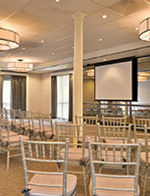
For any questions with the venue or logistics matters, please kindly contact SelectBIO Conferenes:
Jeff Fan
Events Manager, SelectBIO Conferences
E-mail: Jeff@selectbioconferences.com
SelectBIO has NOT authorized ANY third party company to assist in hotel bookings or any bookings or reservations for this conference. Please do NOT do business with any third party companies. If in doubt, please contact Jeff Fan immediately to clarify.
Register to this conference and also enjoy the following co-located events at no extra charge.
Training Courses
If you would like to submit a proposal for an oral or poster presentation at this meeting, please fill out the form below required for your submission.
Successful applicants will be provided with all necessary information.
Abstract Content:
-
Written in English
-
Written in the third person
-
Include title, name(s) and affiliation(s) of the authors
-
Between 100 - 200 words
-
Suitable for direct publication in the proceedings pack and on the website
-
Related to the subject of the conference
Agenda Topics
3D-Bioprinting in Orbit (LEO)
3D-Organoid Models for Disease in Microgravity Conditions
Effect of Microgravity on Drug Responses
Flow Chemistry - Chemistry in Space
Organs-on-Chips as a Platform for Studying Effects of Microgravity on Human Physiology
Tissue Chips in Space
NIH/NCATS-ISS US National Laboratory Projects
Research Projects in Low Earth Orbit (LEO)
Private Space Stations offering Commercial Access to LEO for Research, Development and Manufacturing
Platform Providers Offering Access to LEO for Scientific Research Projects
Copyrights
The presenting author/person who submitted the abstract assumes full responsibility of the content of the abstract and we assume that all co-authors are aware of this content. Please note that your biography, summary and abstract may be used on this website and conference materials.
Allen Liu, Professor, Department of Mechanical Engineering, University of Michigan
Allen Liu Biographical Sketch
Allen Liu received a B.Sc. with Honors in Biochemistry from the University of British Columbia in 2001 and a Ph.D. in Biophysics from the University of California, Berkeley in 2007, followed by postdoctoral training at The Scripps Research Institute in La Jolla. He established his research group in 2012 and is currently Professor of Mechanical Engineering, Biomedical Engineering, and Biophysics, as well as Associate Chair for Graduate Education in Mechanical Engineering, at the University of Michigan.
His research focuses on cellular mechanotransduction and bottom-up synthetic biology, integrating approaches from quantitative cell biology, synthetic biology, biophysics, and microfluidics. He has published more than 100 peer-reviewed papers and delivered more than 100 invited presentations. His honors include the NIH Director’s New Innovator Award; recognition as a Young Innovator by Cellular and Molecular Bioengineering and as a Rising Star by the Biomedical Engineering Society; and selection as a Future of Biophysics speaker at a Burroughs Wellcome Fund symposium at the Biophysical Society Meeting. He is an elected Fellow of the Biomedical Engineering Society, a Fellow of the Royal Society of Chemistry, and a recipient of the Endeavour Executive Fellowship in Australia and the Alexander von Humboldt Fellowship for Experienced Researchers in Germany.
Alysson Muotri, Professor, University of California-San Diego
Alysson Muotri Biographical Sketch
Dr. Muotri is a professor at the Departments of Pediatrics and Cellular & Molecular Medicine at UC San Diego. He is also the Director of the Sanford Stem Cell Education and Integrated Space Stem Cell Orbital Research (ISSCOR), the Director of the Archealization Center (ArchC), and Associate Director for the Center for Academic Research & Training in Antropogeny (CARTA). Dr. Muotri earned a BSc in Biological Sciences from the State University of Campinas in 1995 and a Ph.D. in Genetics in 2001 from the University of Sao Paulo, Brazil. He moved to the Salk Institute as Pew Latin America Fellow in 2002 for postdoctoral training in the fields of neuroscience and stem cell biology. His research focuses on brain evolution and modeling neurological diseases using human induced pluripotent stem cells and brain organoids. He has received several awards, including the prestigious NIH Director’s New Innovator Award, NARSAD, Emerald Foundation Young Investigator Award, Surugadai Award, Rock Star of Innovation, NIH EUREKA Award, two Telly Awards for Excellence in Science Communication, among several others.
Arun Sharma, Director, Center for Space Medicine Research, Cedars-Sinai Medical Center
Arun Sharma Biographical Sketch
Dr. Arun Sharma, PhD is a stem cell biologist focusing on cardiovascular biology and space biosciences. He is an associate professor at Cedars-Sinai and is affiliated with the Board of Governors Regenerative Medicine Institute, the Smidt Heart Institute, the Cancer Institute, and the Department of Biomedical Sciences. He is the director of the Center for Space Medicine Research, and the director of the CIRM Shared Resources Laboratory at Cedars-Sinai.
Research in the Sharma laboratory focuses on the applications of human induced pluripotent stem cells (hiPSCs) for modeling cardiovascular diseases outside of the body (in-vitro). The lab utilizes cutting-edge technologies including hiPSCs, genome editing, cardiac organ-on-chips, and 3D cardiac spheroids/organoids to understand the molecular mechanisms driving cardiovascular disease and heart development. For example, the Sharma laboratory employs hiPSC-derived cardiomyocytes (personalized, beating heart muscle cells) and endothelial cells (cells lining the blood vessels) to develop novel ways to assess and alleviate the cardiovascular damage caused by cancer drugs. The lab also studies the developmental mechanisms underlying congenital heart disease and vascular malformations.
Sharma also has a unique background and interest in the space biosciences and investigates means by which stem cell biology can intersect with this emerging field. In 2016, Dr. Sharma led a project that sent human stem cell-derived heart cells to the International Space Station to study the effects of microgravity on human heart function, which was the first long-duration cell culture experiment in space. He remains an internationally-recognized leader in the space biosciences field, and his laboratory studies means of harnessing microgravity to manufacture unique biomaterials.
Sharma has published articles in leading scientific journals such as Science, Nature Biotechnology, Science Translational Medicine, Circulation Research, Nature Reviews, Stem Cell Reports, and Cell Stem Cell. His research has been featured in major news outlets such as Forbes Magazine, Newsweek, Science Magazine, and the Wall Street Journal. He has received numerous awards for his work, including the Forbes 30 Under 30 in Science, STAT Wunderkinds, Sartorius & Science Award in Regenerative Medicine, the American Heart Association Career Development Award, the Compelling Results Award from NASA, the Igniting Innovation Award from the ISS National Laboratory, and the Donna and Jesse Garber Award for Cancer Research.
Dr. Sharma earned his bachelor's degree in biology from Duke University and his PhD in stem cell biology and regenerative medicine from Stanford University. He completed a postdoctoral research fellowship in cardiovascular genetics at Harvard Medical School. He is also an advocate for conveying science to general and scientific audiences through public speaking and social media.
Kristin Kopperud, Aerospace Industry Professional -- Conference Chairperson
Kristin Kopperud Biographical Sketch
Dr. Kristin Kopperud is an aerospace industry veteran with experience in operations project management and expertise in tissue engineering and regenerative medicine experiments in microgravity. Her previous position at the Center for the Advancement of Science in Space, Inc. (CASIS), which manages the International Space Station (ISS) National Laboratory, as Science Program Director of Biological Sciences in the Research and Innovation department included focus areas in biomanufacturing, in-space production applications, and rodent research. Dr. Kopperud received BS degrees in Biotechnology and Biology from the University of Kentucky. She earned her PhD in Biological Sciences from Florida Institute of Technology in Melbourne, FL studying circadian rhythms in the Atlantic tarpon. While she moved to Florida to pursue a career in marine biology, she was captivated by the space culture that was inescapable on the Space Coast. During graduate school, she taught undergraduate laboratory sections of Mammalian Physiology and Biology and was recruited to serve as a Research Support Scientist for several ISS National Lab-sponsored Rodent Research missions, serving as a surrogate for the crew on the ISS.
Luis Zea, Chief Scientist, Starlab Space
Luis Zea Biographical Sketch
Dr. Luis Zea is the Chief Scientist at Starlab Space and an Adjunct Professor at the University of Colorado Boulder. He holds a Ph.D. in Bioastronautics and degrees in mechanical and aerospace engineering. His career spans academia, industry, and entrepreneurship, with experience in both business development and scientific research. Dr. Zea has worked on 29 spaceflight experiments, from the Space Shuttle to the International Space Station. He has served as a principal investigator for multiple NASA-funded projects, including experiments conducted in low Earth orbit and around the Moon onboard NASA's Artemis I’s mission.
Maribella Domenech, Baxter Chair Professor, Chemical Engineering, University of Puerto Rico-Mayagüez
Maribella Domenech Biographical Sketch
Dr. Maribella Domenech is a distinguished Puerto Rican scientist and Baxter Chair Professor in the Department of Chemical Engineering at the University of Puerto Rico-Mayagüez (UPRM). She earned her B.S. in Industrial Biotechnology from UPR-Mayagüez (2006), followed by an M.S. and Ph.D. in Biomedical Engineering from the University of Wisconsin-Madison (2010), and completed her postdoctoral training in Chemical Engineering at UPRM (2012). She directs the Center for Biomedical Engineering and Nanomedicine at UPRM, is affiliated with the UPR Comprehensive Cancer Center, and serves as Co-Principal Investigator of the NSF Engineering Research Center for Cell Manufacturing Technologies (CMaT).
Mary Kearns-Jonker, Associate Professor, Loma Linda University School of Medicine
Mary Kearns-Jonker Biographical Sketch
Dr. Kearns-Jonker is as an Associate Professor in the Department of Pathology and Human Anatomy at Loma Linda University School of Medicine where she is Co-Director of the Cancer, Developmental and Regenerative Biology Program. She completed her undergraduate and PhD training at McGill University in Montreal and her postdoctoral training at the National Institutes of Health. Her research team studies neonatal Islet-1+ stem cell-mediated cardiovascular repair as well as the impact of the spaceflight environment on the transcriptome of human cardiac stem cells cultured on the International Space Station.
Meenal Datta, Jane Schoelch DeFlorio Collegiate Professor of Aerospace and Mechanical Engineering, University of Notre Dame
Meenal Datta Biographical Sketch
Meenal Datta is the Jane Schoelch DeFlorio Collegiate Professor of Aerospace and Mechanical Engineering and is an assistant professor at the University of Notre Dame. Dr. Datta received her Ph.D. in chemical and biological engineering from Tufts University in 2018, after which she completed a postdoctoral fellowship at Harvard Medical School and Massachusetts General Hospital, before starting her faculty position in 2021. Dr. Datta’s research focuses on the tumor microenvironment – which is biologically, chemically, electrically, and mechanically abnormal compared to healthy tissues – that drives disease progression and treatment resistance in incurable cancers. Dr. Datta specializes in multidisciplinary and mechanism-based preclinical approaches that reveal and reprogram abnormal tumor microenvironment.
As the director of the Tumor Immune Microenvironment & Mechanics (TIME) Lab at Notre Dame (https://timelab.nd.edu), Dr. Datta’s research explores immunomechanics and mechano-immunology in health and disease to discover novel biophysical mechanisms that can be targeted therapeutically to enhance treatment outcomes in cancer and other diseases. Dr. Datta’s lab also conducts science-in-space experiments (e.g., on the International Space Station) to test novel modeling and treatment approaches for cancer avatars in microgravity.
Dr. Datta has received numerous awards in support of her research including an NIH F31 predoctoral fellowship (2016), a single-recipient AACR postdoctoral fellowship (2019), an NIH K22 career transition award (2021), a junior faculty award from the Oak Ridge Associated Universities (2022), an NIH R35 award for early-stage investigators (2023), and an AFOSR Young Investigator Program award (2025). Dr. Datta’s in-space research is supported by grants from NSF/CASIS (2024) and AFOSR Space Biosciences (2024, 2025). In 2024, Dr. Datta was awarded the Young Innovator Award in Cellular and Molecular Bioengineering from the Biomedical Engineering Society (BMES). In 2025, Prof. Datta was awarded the Rita Schaffer Young Investigator Award, the preeminent, single-recipient award for early career faculty from BMES, as well as the Rising Star of Mechanical Engineering Award from the American Society of Mechanical Engineers. In 2026, Prof. Datta was awarded the Rising Star Junior Faculty Award from the Cell and Molecular Bioengineering Conference from BMES.
Michael Graner, Professor, Department of Neurosurgery, University of Colorado Denver, Anschutz Medical Campus
Michael Graner Biographical Sketch
Michael Graner received his PhD in Biochemistry from the University of Illinois followed by post-doctoral and research faculty work at the University of Arizona, shifting gears from the Drosophila extracellular matrix to cancer immunotherapy. He then took at faculty position at Duke University’s Tisch Brain Tumor Center, followed by his current position as Professor in Neurosurgery at the University of Colorado Denver (Anschutz Medical Campus). He is also a member of the University of Colorado Cancer Center, the Colorado Clinical and Translational Sciences Institute, the MAVRC Program, and holds a Visiting Professorship Appointment at the Shenzhen Third People’s Hospital (China) and an adjunct faculty appointment at Colorado State University. Graner has a long-standing interest in cell stress responses, which led to cancer vaccine development (including one in clinical trials), which somehow led to the world of extracellular vesicles (EVs). His lab currently concentrates on signaling mechanisms involving EVs, in particular the transfer of stressed phenotypes from stressed tumor cells to unstressed ones via EVs.
Palaniappan Sethu, Professor of Medicine and Biomedical Engineering, University of Alabama at Birmingham
Palaniappan Sethu Biographical Sketch
Dr. Palaniappan Sethu is a Biomedical Engineer by training with a PhD from the University of Michigan where he developed new polymer based lab-on-a-chip technologies for genomic and proteomic assays. Dr. Sethu completed his postdoctoral training at the Center for Engineering in Medicine at Massachusetts General Hospital, Harvard Medical School and Shriners Burns Hospital working on label-free approaches to isolate leukocyte sub-populations from whole blood. After spending the 1st 7 years of his career at the University of Louisville, he is currently a Professor of Medicine and Biomedical Engineering within the Division of Cardiovascular Disease at the University of Alabama-Birmingham. Dr. Sethu also serve as the Section Chief for Basic and Translational Sciences within the Division of Cardiovascular Diseases and as the Program Director for the Engineering Education in Medicine Program within the Department of Biomedical Engineering.
Paul Marshall, CEO, Rapid Fluidics
Paul Marshall Biographical Sketch
Paul Marshall is a Chartered Mechanical Engineer, entrepreneur, and the CEO and co-founder of Rapid Fluidics, a company specializing in custom microfluidic design and rapid production for the life sciences and biotechnology sectors. Transitioning to life sciences after 15 years in mechanical engineering, he established Rapid Fluidics to streamline the development of microfluidic devices, helping biotech and medical technology companies move products from concept to market significantly faster. Under his leadership, the company has secured backing through Innovate UK grants and strategic international manufacturing partnerships, as well as high-profile engineering collaborations.
Phillip Irace, Science Program Director, ISS National Lab
Phillip Irace Biographical Sketch
Dr. Irace serves as a Science Program Director at the International Space Station (ISS) National Laboratory. In this role, he leads initiatives that enable researchers to leverage the ISS as a testbed to advance scientific discovery and accelerate technology innovation. Dr. Irace holds a PhD, MS, and BS in mechanical engineering from Washington University in St. Louis, and a BS in Physics from Illinois College. During his doctoral work, he studied diffusion flames in space onboard the ISS, natural gas combustion, and flame synthesis of metals. After his doctoral work, he served as a principal investigator at Mainstream Engineering Corporation, leading SBIR and STTR contracts focused on developing components for hypersonic vehicles.
Sherri Emer, Associate Professor, Florida Gulf Coast University
Sherri Emer Biographical Sketch
Dr. Emer is an Associate Professor of Biology at Florida Gulf Coast University, where she focuses on using animal models to study consequences of environmental changes that include effects of mechanical, chemical, and thermal factors on the brain and other nervous system components, their physiological processes, and ultimately behavioral function. She earned a BS in Biology from Eckerd College, MS in Neuroscience and Behavior from Georgia State University, and PhD in Cell and Molecular Biology from Florida Institute of Technology, where her studies of the python infrared imaging system were supplemented with supporting Rodent Research missions at Kennedy Space Center. Dr. Emer has mentored more than 50 undergraduate and graduate students conducting research on more than 40 projects related to space exploration, environmental neurotoxins, and specialized sensory systems. She currently serves as Chair of the Institutional Animal Care and Use Committee, M.S. Biology Program Coordinator, Honors College Executive Board member, councilor with Florida Academy of Sciences and Grants in Aid of Undergraduate Research Chair, and is committed to serving on Scientific Review Committees for regional/state science and engineering fairs. She prioritizes training in research techniques and professional practices that promote a culture of ethical and responsible conduct and scientific integrity.
Takumi Takahashi, Associate Specialist, University of California-Irvine
Takumi Takahashi Biographical Sketch
Dr. Takahashi is an Associate Specialist Researcher in the Department of Biomedical Engineering at UC Irvine. His research focuses on scaffold-free approaches to cartilage tissue engineering, including the self-assembling process. His work spans preclinical studies in small and large animal models, development of novel cell sources for cartilage regeneration, and characterization of chondrocyte phenotypes throughout the cartilage tissue engineering process. A major focus of his research is improving cartilage healing through a better understanding of how chondrocytes interact with their extracellular environment and how these interactions can be leveraged to enhance tissue regeneration.
Trystin Cote, The University of Connecticut College of Engineering
Trystin Cote Biographical Sketch
Trystin Cote is a Ph.D. candidate in Biomedical Engineering at the University of Connecticut specializing in nanomedicine, nucleic acid delivery, and microgravity-enabled manufacturing. His research explores how microgravity influences the self-assembly, structure, and biological performance of supramolecular nanomaterials, with the goal of translating these effects into improved therapeutic systems. His work with Janus Base Nanoparticles spans spaceflight manufacturing, physicochemical characterization, RNA delivery, and therapeutic evaluation, connecting fundamental changes in nanoscale assembly with downstream biological performance.
Xuerui Song, Grado Department of Industrial and Systems Engineering, Virginia Tech
Xuerui Song Biographical Sketch
Xuerui Song received her B.S. degree in Electrical Engineering from Bucknell University and her M.Eng. degree in Industrial Engineering from the University of California, Berkeley. She is currently a Ph.D. candidate in the Grado Department of Industrial and Systems Engineering at Virginia Tech. Her research focuses on the co-design of data, sensing, and manufacturing systems. She develops experimental and high-throughput methods to generate structured datasets and applies signal processing, statistical modeling, and machine learning to characterize material behavior and sensor performance. Her work also involves integrating sensors with additive manufacturing processes and other complex systems, including microextrusion-based printing of soft materials, with applications in advanced manufacturing, biomaterials, tissue engineering, and space biosciences.
Yupeng Chen, Associate Professor and Castleman Term Professor in Engineering Innovation, University of Connecticut
Yupeng Chen Biographical Sketch
Dr. Yupeng Chen is an Associate Professor and Castleman Term Professor in Engineering Innovation at the University of Connecticut. Holding both an M.Sc. and a Ph.D. in biomedical engineering and chemistry from Brown University, Dr. Chen's long-term research interest lies in the design and development of DNA-inspired Janus base nanomaterials for regenerative engineering applications. He holds 11 US patents and 14 international patents in Janus base nanotechnology, some of which have been successfully licensed to industry partners. Dr. Chen has authored one book, 11 book chapters, and 82 peer-reviewed publications, and he and his lab have delivered 176 conference presentations and invited talks. His achievements have been recognized with the Faculty Early Career Development (CAREER) award from NSF, the discovery award from DOD, and the New Investigator Recognition Awards from the Orthopaedic Research Society. Elected as a senior member of the National Academy of Inventors (NAI) and a member of the Connecticut Academy of Science and Engineering (CASE) in recognition of his efforts to translate scientific breakthroughs into practical applications, Dr. Chen also actively participates in peer review, serving on multiple NIH and NSF panels and contributing to the review and editorial process for 34 journals. He has secured many competitive federal research grants from agencies such as NIH, NSF, NASA, DOD, and the International Space Station (ISS) National Lab. Recently, Dr. Chen has expanded the scope of regenerative engineering research from Earth to space, having received funding to develop and assess Janus base nanomaterials on the ISS for innovative in-space bioengineering and biotherapeutics.
07:30
29 October 2026
Garnet Gallery

Continental Breakfast Buffet is Served
08:00
29 October 2026
Garnet Gallery
Participants Check-In
Conference Registration, Materials Pick-Up, Continental Breakfast and Networking
09:00
29 October 2026
Garnet Gallery
Conference Chairperson Welcome

Kristin Kopperud, Aerospace Industry Professional -- Conference Chairperson
Welcome and Introduction to the Topics Covered at Space Summit West 2026
09:30
29 October 2026
Garnet Gallery

Alysson Muotri, Professor, University of California-San Diego, United States of America
Space Induced Neural Senescence
Human brain organoids are dynamic, self-assembling neural tissues made from stem cells. Structural and transcriptional changes during early brain development follow predetermined programs set by genetics. However, whether this applies to functional network activity remains unclear, mainly due to the difficulty of studying the earliest stages of a living human brain. We created cortical organoids that naturally produce rhythmic and regular oscillatory network events relying on glutamatergic and GABAergic signaling. These nested oscillations exhibit cross-frequency coupling, which is believed to facilitate the coordination of neuronal computation and communication. As a sign of network maturation, the oscillatory activity later shifted to more complex, irregular patterns, resembling features seen in preterm human EEG recordings. These findings suggest that the development of organized network activity in the human neocortex may follow stable genetic instructions, even without external or subcortical input. This makes an excellent model for human neurodevelopment, but does not capture the age-related process involved in neurodegenerative conditions such as ALS and Alzheimer’s disease. Space-induced neural senescence (SINS) is a novel phenomenon that accelerates aging in brain organoids, offering an opportunity to study neurodegeneration on Earth in a compressed timeframe. Opportunities and applications of this model will be presented.
10:00
29 October 2026
Garnet Gallery

Yupeng Chen, Associate Professor and Castleman Term Professor in Engineering Innovation, University of Connecticut, United States of America
Janus Base Nano-Matrix Enables Authentic Cartilage Tissue Engineering in Microgravity via β-Integrin Activation
Engineering authentic cartilage is difficult on Earth and harder in orbit. Without biomechanical loading, microgravity drives cartilage toward degeneration, which constrains both the fabrication of cartilage constructs and their downstream use in applications such as tissue chips. To address this, we developed a family of self-assembled scaffolds, the Janus Base Nano-Matrix (JBNm), formed by co-assembly of DNA-inspired nanotubes with extracellular matrix proteins. JBNm enhances β-integrin activation, promoting chondrogenesis while suppressing hypertrophy and apoptosis. We show for the first time that this is sufficient to grow and maintain authentic cartilage under microgravity, achieving cartilage tissue engineering in space. The same approach improves cartilage regeneration and extends tissue chip applications on Earth as well as in orbit.
10:30
29 October 2026
Garnet Gallery
Mid-Morning Coffee Break and Networking
11:00
29 October 2026
Garnet Gallery

Arun Sharma, Director, Center for Space Medicine Research, Cedars-Sinai Medical Center, United States of America
Stem Cell Research and Biomanufacturing in Low Earth Orbit
Human induced pluripotent stem cells (hiPSCs) provide a powerful platform for disease modeling and regenerative medicine, and spaceflight offers a uniquely transformative environment to expand their capabilities. Studies conducted aboard the International Space Station (ISS) and in simulated microgravity demonstrate that reduced gravity fundamentally alters stem cell behavior, including proliferation, differentiation, and stress responses, enabling new approaches to interrogate human biology. We present results showing that microgravity enables enhanced scalability, uniformity, and reproducibility of hiPSC-derived three-dimensional tissues. We further demonstrate that microgravity conditions support efficient genetic manipulation and sustained expansion of hiPSCs, enabling iterative disease modeling workflows in space. These experimentally derived findings highlight the potential of microgravity to improve model fidelity and accelerate drug discovery applications by enabling scalable production of complex human tissues. Finally, we discuss translational considerations, including technical and operational constraints associated with implementing stem cell research and manufacturing in space, and how these advances may support both long-duration human spaceflight and terrestrial biomedical innovation.
11:30
29 October 2026
Garnet Gallery

Meenal Datta, Jane Schoelch DeFlorio Collegiate Professor of Aerospace and Mechanical Engineering, University of Notre Dame, United States of America
Growing and Drugging Glioblastoma-Immune Organoids in Space
I will present our recent results on growing cancer-myeloid organoids that recapitulate the glioblastoma tumor microenvironment on the International Space Station, including the development of a superior model in microgravity that better recapitulates the human disease than terrestrial organoids, opening new avenues for mechanistic insight and therapeutic discovery.
12:00
29 October 2026
Garnet Gallery

Mary Kearns-Jonker, Associate Professor, Loma Linda University School of Medicine, United States of America
The Influence of Microgravity on the Transcriptome of Islet-1+ Cardiovascular Stem Cells Cultured on the International Space Station
Our research team studied the effect of spaceflight on the transcriptome of human Islet-1+ patient-derived cardiovascular stem cells which were flown aboard the International Space Station (ISS). One group of stem cell clones was preserved for transcriptomic analysis after 14 days in culture on the ISS. A second set of stem cell clones were cultured on station for 30 days and were returned to Earth live for functional and transcriptomic analysis. Our findings showed that microgravity and the spaceflight environment induced the expression of transcripts associated with enhanced stemness including SOX2, TFAP2C, EPCAM and NANOG. The Wnt/Ca+2 signaling pathway was induced by microgravity, leading to early cardiac gene transcription and activation of Notch, ERBB and YAP signaling contributed to stem cell expansion. AKT signaling promoted stem cell survival in space. The effect of time on transcriptomic changes induced by spaceflight in Islet-1+ cardiovascular stem cells will be presented. These findings suggest that cardiovascular stem cell culture under microgravity conditions influences stemness features in the transcriptome and activates select pathways of potential benefit for cardiovascular repair on Earth.
12:30
29 October 2026
Garnet Gallery
Networking Buffet Lunch
13:30
29 October 2026
Garnet Gallery
Keynote Presentation

Michael Graner, Professor, Department of Neurosurgery, University of Colorado Denver, Anschutz Medical Campus, United States of America
Introduction to Exosomes: Tales of Exosomes and Extracellular Vesicles, Tiny Things in the Huge Space
14:00
29 October 2026
Garnet Gallery

Xuerui Song, PhD Candidate, Grado Department of Industrial and Systems Engineering, Virginia Tech, United States of America
Real-time Sensing of Extracellular Matrix Remodeling during Fibroblast Phenotype Switching and Vascular Network Formation in Wound Healing
This presentation introduces a cellularized hydrogel-interfaced cantilever (CHIC) biosensor for continuous, non-destructive monitoring of mechanical changes in three-dimensional cell cultures. The platform integrates fibroblasts and endothelial cells within a microporous annealed particle hydrogel to model extracellular matrix remodeling during wound healing. Following stimulation with transforming growth factor beta-1 (TGF-β1), changes in the biosensor’s resonant phase angle were monitored over time to characterize fibroblast phenotype switching and cell-mediated matrix remodeling. Long-term experiments demonstrated that the sensor response was consistent with increased hydrogel stiffness measured by conventional compression testing and was supported by changes in gene and protein expression associated with fibrotic remodeling, inflammation, and vascular network development. This work demonstrates the potential of the CHIC biosensor for real-time characterization of dynamic mechanobiological processes in physiologically relevant 3D tissue models.
14:30
29 October 2026
Garnet Gallery

Maribella Domenech, Baxter Chair Professor, Chemical Engineering, University of Puerto Rico-Mayagüez, Puerto Rico
Advancing Microcarrier-Based Biomanufacturing of Mesenchymal Stem/Stromal Cells in Microgravity and Earth
Mesenchymal stem/stromal cells (MSCs) hold tremendous promise for immunomodulatory therapy, but scalable manufacturing strategies that preserve therapeutic potency remain a major challenge. Our recent work on Cryogenic microcarrier-assisted stem cell storage (Cryo-MASCS) established a surface-engineered microcarrier platform that enables efficient cryopreservation, recovery, and expansion of MSCs while maintaining their functional properties, providing a practical alternative to streamline high-volume adherent cell manufacturing. Building on this foundation, our laboratory has translated this technology into the microgravity environment to advance space biomanufacturing. During the SpaceX CRS-31 mission to the International Space Station, we deployed MSCs cultured on bioactive surface-engineered microcarriers to investigate how microgravity influences post-flight cell recovery, quality, and therapeutic potency. This presentation will highlight the translation of the Cryo-MASCS platform from terrestrial biomanufacturing to spaceflight applications, discuss our latest findings from the ISS, and outline future studies to leverage microgravity to optimize stem cell manufacturing for therapeutic applications on Earth.
15:00
29 October 2026
Garnet Gallery
Mid-Afternoon Coffee Break and Networking
15:30
29 October 2026
Garnet Gallery

Palaniappan Sethu, Professor of Medicine and Biomedical Engineering, University of Alabama at Birmingham, United States of America
Streptococcus pneumoniae (Spn) infection of Cardiac Tissue in Space
There is evidence that the space environment enhances bacterial virulence, increases proliferation and promotes biofilm formation, potentially leading to more severe infection. Spn is a Gram-positive bacterium and the leading cause of community-acquired pneumonia; it is responsible for as many as 40% of all cases. There is strong evidence indicates that during severe community-acquired pneumonia, Spn gains access to and causes long-lasting damage in vital organs such as the heart, where Spn is now recognized to kill cardiomyocytes, form microlesions (biofilms within the cardiac tissue), impair heart function, and, in surviving animals, prime permanent cardiac scarring and impaired contractility. This talk will focus on the unique opportunity to leverage the space environment, which promotes cardiac tissue atrophy, enhances bacterial virulence and decreases susceptibility of bacteria to antimicrobial treatment to create an accelerated and more severe model of Spn infection of cardiac tissue. By exacerbating the infection process, we will amplify the molecular changes (gene expression, soluble factor production) involved in critical events that promote microlesion formation and enhance Spn virulence to understand molecular mechanisms and identify therapeutic targets for early intervention to prevent adverse cardiac events.
16:00
29 October 2026
Garnet Gallery

Allen Liu, Professor, Department of Mechanical Engineering, University of Michigan, United States of America
Cellular Mechanotransduction by Osteoblasts in Microgravity
Osteoporosis causes bones to become weak and brittle as individuals age and commonly leads to fractures with mild stresses or a fall. While dietary habits, hormone levels, and certain medical conditions are contributing factors in osteoporosis, it is also well recognized that weight-bearing exercises are beneficial for the bones and reduce the risk of osteoporosis. Despite a deep understanding of the physiological context of bone formation and bone loss in bone biomechanics, the mechanism of cellular mechanotransduction and its implications in osteoporosis is not entirely clear. To aid our study, we developed a home-built random positioning machine to investigate the effect of simulated microgravity on osteoblast cytoskeleton organization and mechanical properties. In collaboration with Space Tango, we carried out two experiments on the ISS-NL to measure the stiffness of single osteoblasts exposed to microgravity and to determine whether mechanical compression of osteoblast spheroids helps restore their mechanosensitivity under microgravity.
16:30
29 October 2026
Garnet Gallery
Technology Spotlight Presentation


Paul Marshall, CEO, Rapid Fluidics, United Kingdom
From Lab to Orbit
Rapid Fluidics is transforming space-based research with flight-proven, 3D-printed microfluidic systems. Featuring successful SpaceX and ISS missions, this presentation reveals how leak-free components, complex lab-on-a-chip architectures and over 80% shorter lead times are accelerating scientific discovery from lab to orbit.
17:00
29 October 2026
Garnet Gallery
Panel Discussion Chaired by Dr. Kristin Kopperud, Conference Chairperson
18:00
29 October 2026
Garnet Gallery
Beer and Wine Networking Reception
19:00
29 October 2026
Garnet Gallery
Close of Day 1 of the Conference
08:00
30 October 2026
Garnet Gallery
Continental Breakfast and Networking
09:00
30 October 2026
Garnet Gallery
Kristin Kopperud, Aerospace Industry Professional -- Conference Chairperson
Welcome and Introduction to Day 2 of the Conference
09:15
30 October 2026
Garnet Gallery

Sherri Emer, Associate Professor, Florida Gulf Coast University, United States of America
Resource Limited? Leveraging Archived Spaceflight Specimens for Science and Training
Early career researchers and investigators at primarily undergraduate and/or teaching institutions may have limited resources for space life sciences studies that involve spaceflight, including experimentation aboard the ISS. This presentation provides information on the availability of ground and spaceflight samples through various specimen sharing programs and archives. The types of specimens available, preparation methods for long-term storage, and online search methods for tissue sharing opportunities will be discussed. Examples of projects utilizing spaceflight specimens will be highlighted, as well as the associated outcomes related to scientific progress and training of future space life scientists and professionals.
09:45
30 October 2026
Garnet Gallery

Trystin Cote, PhD Candidate-Biomedical Engineering, The University of Connecticut College of Engineering, United States of America
Elucidating the Structural Basis for Microgravity-Driven Enhancements in Supramolecular Nanotherapeutic Assembly
Microgravity manufacturing has demonstrated the potential to enhance the properties and performance of supramolecular nanotherapeutics. Using Janus Base Nanoparticles (JBNps) as a model nucleic acid delivery system, our work investigates how the microgravity environment influences nanoparticle assembly, cargo incorporation, and nanoscale organization. Building on previous findings of increased RNA loading, improved structural uniformity, and enhanced therapeutic performance in microgravity-manufactured nanoparticles, our work continues to uncover the structure-function relationships responsible for these improvements and inform the development of next-generation nanotherapeutics and in-space manufacturing strategies.
10:15
30 October 2026
Garnet Gallery
Technology Spotlight Presentation

Kristin Kopperud, Program Manager, LambdaVision, United States of America
In-Space Production of Protein-Based Artificial Retinas
LambdaVision has developed a protein-based artificial retina to restore vision to the millions of people blinded by retinal degenerative diseases. The artificial retina thin films are manufactured using layer-by-layer (LbL) assembly of the light-activated protein, bacteriorhodopsin, and a polycation binder. A microgravity environment is expected to improve quality of the films and, as a result, enhance the stability and function of the artificial retinas for future preclinical and clinical trials. We have consistently met the goal of assembling 200-layer films through 9 missions to the ISS and have continued to iterate on the LbL flight hardware design through rigorous ground prototyping. Recent advancements include improved chamber geometries and fluidic control, higher sample throughput, production scalability, and the use of in situ quality assessments to evaluate the progression of LbL assembly in real time. These developments lay the groundwork for future applications that leverage the ISS and future commercial LEO destinations.
10:45
30 October 2026
Garnet Gallery
Coffee Break and Networking
11:15
30 October 2026
Garnet Gallery

Luis Zea, Chief Scientist, Starlab Space, United States of America
Panel about Service to PI’s
11:45
30 October 2026
Garnet Gallery

Takumi Takahashi, Associate Specialist, University of California-Irvine, United States of America
Tensile Mechanical Stimulation of Tissue-Engineered Cartilage in Microgravity
Microgravity has the potential to advance the production of biomimetic tissue-engineered neocartilage and provides a unique environment for studying cartilage development and mechanobiology. Using a well-established, scaffold-free cartilage tissue engineering approach, studies were conducted aboard the International Space Station to examine neocartilage formation in microgravity. As one of three study aims, we investigated tensile mechanical stimulation in microgravity to better understand tension-mediated mechanotransduction without the confounding effects of gravity. To enable these studies, the research team worked closely with its implementation partner to develop customized culture and tensile-stimulation devices compatible with spaceflight operations. Following hardware development and iterative ground testing, experimental validation testing was completed in late 2025, followed by flight preparation and launch aboard SpaceX CRS-34 in May 2026. This presentation will highlight the progression from experimental design and hardware development through validation and flight operations, together with preliminary data obtained thus far.
12:15
30 October 2026
Garnet Gallery
Presenter Details to be Confirmed
Presentation Details to be Confirmed
12:45
30 October 2026
Garnet Gallery
Networking Buffet Lunch
13:30
30 October 2026
Garnet Gallery

Phillip Irace, Science Program Director, ISS National Lab, United States of America
ISS National Lab R&D: Current Impact and the Road Ahead
This presentation provides an overview of the current state of ISS National Lab-sponsored R&D. It will showcase impactful results across several disciplines, outline projects progressing through the payload pipeline, and examine emerging trends shaping space-based R&D. The talk will also explore how access, partnerships, and commercialization pathways are evolving to expand utilization of the ISS and other spaceflight platforms. Finally, it will look ahead to future opportunities, including how today’s work informs next-generation capabilities, positioning LEO as a catalyst for innovation and discovery.
14:00
30 October 2026
Garnet Gallery
Panel Discussion – Implementing Science in Space
15:00
30 October 2026
Garnet Gallery
Mid-Afternoon Coffee Break and Networking
15:30
30 October 2026
Garnet Gallery
Presenter Details to be Confirmed
Presentation Details to be Confirmed