

Extracellular Vesicles Asia 2026: Technologies to Dx and Rx
Date: Thursday, December 3, 2026 - Friday, December 4, 2026
Location: ibis Kuala Lumpur City Centre - Kuala Lumpur, Malaysia
Confirmed Speakers

Binita Dam, Senior Research Fellow, Institute for Stem Cell Science and Regenerative Medicine (BRIC-inStem)

Haiyan Xie, Professor, School of Pharmaceutical Sciences, Peking University
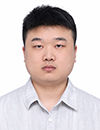
Hong-Bin Yang, Institute of Nephrology, Zhongda Hospital, Southeast University

Hyo-Il Jung, Professor, School of Mechanical Engineering, Yonsei University

Pingping Han, NHMRC Investigator Fellow, School of Dentistry , The University of Queensland

Sven Kreutel, CEO, Particle Metrix, Inc.

Ying Zhang, Assistant Professor, School of Pharmaceutical Sciences, Tsinghua University

Chi-Ying Huang, Distinguished Professor and Dean, Sciences in Institute of Biopharmaceutical Sciences, National Yang Ming Chiao Tung University, Taipei
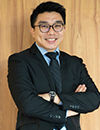
Han Wei Hou, Associate Professor, Lee Kong Chian School of Medicine, Nanyang Technological University Singapore

Hsiu-Jung Liao, Assistant Professor, Institute of Biopharmaceutical Sciences, National Yang Ming Chiao Tung University, Taipei

Jiao Jiao Li, Senior Lecturer in Biomedical Engineering at University of Technology Sydney (UTS)

Richard Lobb, Bioengineering and Nanotechnology, The University of Queensland

Wei Seong Toh, Associate Professor, Department of Orthopaedic Surgery, Yong Loo Lin School of Medicine, National University of Singapore

Dominique PV de Kleijn, Professor Experimental Vascular Surgery, Professor Netherlands Heart Institute, University Medical Center Utrecht

Hon Shing Ong, Assistant Professor, Ophthalmology & Visual Sciences, Duke-NUS Medical School Singapore

Hsueh-Chia Chang, Bayer Professor of Chemical and Biomolecular Engineering, University of Notre Dame; Co-Founder & CTO, Aopia Biosciences -- Conference Senior Chairperson

Le Thi Nguyet Minh, Associate Professor, Yong Loo Lin School of Medicine, National University of Singapore

Sai Kiang Lim, Research Director, Paracrine Therapeutics; Associate Research Professor, National University of Singapore

Wojciech Chrzanowski, Professor of Nanomedicine, The University of Sydney
Overview of the Conference
SelectBIO Extracellular Vesicles Asia 2026: Technologies to Dx and Rx is being held December 3-4, 2026 at the ibis Kuala Lumpur City Centre -- Kuala Lumpur, Malaysia.
SelectBIO is honored to welcome Professor Hsueh-Chia Chang, Bayer Professor of Chemical and Biomolecular Engineering, University of Notre Dame; Co-Founder & CTO, Aopia Biosciences, as the Conference Chairperson.
This conference brings together academics and industry participants from across Asia/Pacific plus US and Europe to present and discuss the most up-to-date research trends in Extracellular Vesicles (EVs, Exosomes) with a strong emphasis on the translational aspects, namely:
Technology and Tools Development
Work Towards Diagnostics Development
Drug Delivery and Therapeutics Development
The conference strongly welcomes companies to describe their technologies and platforms for life science researchers as well as drug discovery-and-development applications.
**Malaysia Government Visa Policy for China Passport Holders**
免签政策:2023年12月1日至2026年底,马来西亚政府对中国公民实施免签政策,中国公民旅游、探亲等事由可免签入境马来西亚30天。进入马来西亚学习、工作等须马方主管部门事先批准的活动,或拟停留超过30天的,仍应按要求在入境前申请与入境目的相符的签证
**China Passport Holders: Please visit this website for details**
Foreign Visitors to Malaysia need to Complete the Malaysia Digital Arrival Card (MDAC) 3 Days Prior to Arrival -- for information, please visit the following website:
Call for Abstracts for Oral Presentations & Posters
Agenda Topics Covered at this Conference
You can also present your research in an oral presentation or poster, while attending the meeting. Submit an abstract for consideration under the Submissions tab of this conference website
Oral Presentation Abstract Submission Deadline: August 31, 2026
Poster Abstract Submission Deadline: November 25, 2026
Emerging Areas in Exosomes/EV Research
Various Platforms for the Isolation of Exosomes/EVs
Characterization of Exosomes/EVs
Downstream Analysis of Exosomes/EV Cargo -- RNAs, Proteins and Lipids
Platforms for Single Exosome/EV Analysis -- Flow Cytometry
Advancements in Technologies and New Disruptive Technologies in EV Research
Biomarkers and Diagnostics Potential of EVs
Drug Delivery, Biologics and EVs as Vectors Carrying Therapeutics
Sponsorship and Exhibition Opportunities
3-for-2 Offer on Delegate Registrations
SelectBIO are offering 3 Delegate Registrations for the price of 2 on all delegate passes. To take advantage of this offer, please contact us by email, phone or click the Contact Us button below. Looking for more than 3 Delegate Passes? Contact us for more information on our special rates for large groups.
Any questions or assistance during registration, please e-mail us at: Contact SelectBIO
Gold Sponsors


Exhibitors
Sponsorship and Exhibition Opportunities
If you require any information about exhibiting or sponsoring at one of our events please contact Jeff Fan using the information below:
Jeff Fan
Exhibition Manager - SelectBIO Conferences
Why Sponsor-Exhibit at a SelectBIO Conference?
Specialists: SelectBIO doesn't organize conferences in shipping, accountancy, textiles etc. – just life sciences. Many of our staff have bioscience qualifications and many years of experience. So, we speak your language and understand your needs.
Superior Customer Service: Our sales team will take care of you with specialist advice and customized packages.
We don’t forget you after you sign on the bottom line either as our customer service dept. will alert you to all the things you need to think about up to and during the event itself.
Extracellular Vesicles Asia 2026 Conference Venue
SelectBIO is pleased to host this Extracellular Vesicles Asia 2026 Conference at the ibis Kuala Lumpur City Centre.
ibis Kuala Lumpur City Centre
32, Jalan Yap Kwan Seng,
50450 Kuala Lumpur, Malaysia
Telephone: +60 3 2778 3333
This hotel is in downtown KL within walking distance to the Petronas Towers -- a landmark in the city of KL.
The hotel is a modern hotel with a rooftop infinity pool open to all guests and a downtown city vibe - an exciting hotel to stay at in a world-class city like KL with an amazing gastronomic scene and lots of shopping at malls throughout KL.
SelectBIO has negotiated the following room rates for accommodation at this hotel:
Standard Room (Single) which includes 1-buffet breakfast for RM250.00 net [inclusive of service charge and SST]
Standard Room (Twin) which includes 2-buffet breakfasts for RM280.00 net [inclusive of service charge and SST]


For any questions with the venue or logistics matters, please kindly contact SelectBIO Conferenes:
Jeff Fan
Events Manager, SelectBIO Conferences
E-mail: Jeff@selectbioconferences.com
SelectBIO has NOT authorized ANY third party company to assist in hotel bookings or any bookings or reservations for this conference. Please do NOT do business with any third party companies. If in doubt, please contact Jeff Fan immediately to clarify.
Register to this conference and also enjoy the following co-located events at no extra charge.
Training Courses
If you would like to submit a proposal for an oral or poster presentation at this meeting, please fill out the form below required for your submission.
Successful applicants will be provided with all necessary information.
Abstract Content:
-
Written in English
-
Written in the third person
-
Include title, name(s) and affiliation(s) of the authors
-
Between 100 - 200 words
-
Suitable for direct publication in the proceedings pack and on the website
-
Related to the subject of the conference
Agenda Topics
Emerging Areas in Exosomes/EV Research
Various Platforms for the Isolation of Exosomes/EVs
Characterization of Exosomes/EVs
Downstream Analysis of Exosomes/EV Cargo -- RNAs, Proteins and Lipids
Platforms for Single Exosome/EV Analysis -- Flow Cytometry
Advancements in Technologies and New Disruptive Technologies in EV Research
Biomarkers and Diagnostics Potential of EVs
Drug Delivery, Biologics and EVs as Vectors Carrying Therapeutics
Copyrights
The presenting author/person who submitted the abstract assumes full responsibility of the content of the abstract and we assume that all co-authors are aware of this content. Please note that your biography, summary and abstract may be used on this website and conference materials.
Binita Dam, Senior Research Fellow, Institute for Stem Cell Science and Regenerative Medicine (BRIC-inStem)
Binita Dam Biographical Sketch
Binita Dam is a Senior Research Fellow in Prof. Colin Jamora’s laboratory, affiliated with the Institute for Stem Cell Science and Regenerative Medicine (inStem), Bengaluru, and Shiv Nadar Institution of Eminence, Delhi-NCR. Her research investigates cellular signalling underlying tissue regeneration, repair, and pathology using skin as a model system. Her recent work, published in Cell Communication and Signaling, identified how matricellular protein–integrin interactions regulate STAT3 and epidermal stem-cell fate, with implications for tissue regeneration and cancer. Her current research focuses on extracellular vesicle-mediated intercellular communication in skin fibrosis, investigating their roles in disease progression and potential as biomarkers and therapeutic targets. This work forms the foundation of her future research interests in the field of extracellular vesicle biology. She has contributed to collaborative research published in Nature Communications, The Journal of Clinical Investigation (JCI), JCI Insight, Cell Reports, Frontiers in Immunology, and Clinical & Translational Immunology, spanning fibrosis, stem-cell biology, tissue repair, and immunity. She has experience collaborating with industry partners and clinical collaborators and has presented her work at national and international scientific forums, supported by competitive travel awards. She is a member of the Society for Leukocyte Biology. Her research training has been supported by prestigious national fellowships, including the Department of Biotechnology Postgraduate Scholarship (2017-2019), the Indian Academy of Sciences-Indian National Science Academy-National Academy of Sciences, India Summer Research Fellowship (2018), and the Council of Scientific and Industrial Research and Department of Biotechnology Junior Research Fellowships (2019), which support doctoral research.
Chi-Ying Huang, Distinguished Professor and Dean, Sciences in Institute of Biopharmaceutical Sciences, College of Pharmaceutical Sciences, National Yang Ming Chiao Tung University, Taipei
Chi-Ying Huang Biographical Sketch
Upon completion of his doctorate in Biochemistry and Biophysics at the Iowa State University, USA, in 1994, he moved to Stanford University for postdoctoral training where he worked on the signaling pathway of MAPK pathway. Dr. Huang joined the faculty of Division of Molecular and Genomic Medicine at the National Health Research Institutes (NHRI) in Taiwan in 1998 where he was an Assistant Investigator and promoted to Associate Investigator. Currently, Dr. Huang is the Distinguished Professor and Associate Dean at the College of Pharmaceutical Sciences at National Yang Ming Chiao Tung University. His study has led to two repurposed drugs to enter clinical trials for lung adenocarcinoma patients at Taipei-veteran general hospital and National Taiwan University Hospital, Taiwan. Recently, he has established extracellular vesicles-based therapy for various applications.
Dominique PV de Kleijn, Professor Experimental Vascular Surgery, Professor Netherlands Heart Institute, University Medical Center Utrecht, The Netherlands
Dominique de Kleijn Biographical Sketch
Professor Dr. Dominique PV de Kleijn is molecular biologist and chemist and professor of Exp. Vascular Surgery at UMC Utrecht and professor at the Netherlands Heart Institute. From 2012 to 2016, he was Research Professor of Surgery at NUS/NUHS and preclinical director of the Cardiovascular Research Institute (CVRI) Singapore. He was until 2016 professor of Cardiovascular Immunology and co-chair of Experimental Cardiology at UMC Utrecht. Since 1997 he is coordinating cardiovascular research from basic science, animal myocardial infarction and atherosclerotic studies (pig and sheep) towards clinical biobanking studies. His research interests are: The innate immune system in cardiovascular disease and atherosclerosis & Biomarkers predictive for primary & secondary events with a focus on plasma extracellular vesicles. He has more then 275 publications and a H-factor of 78.
Haiyan Xie, Professor, School of Pharmaceutical Sciences, Peking University
Haiyan Xie Biographical Sketch
Dr. Haiyan Xie is a Boya distinguished professor at Peking University. Her research is focused on biopharmaceuticals. She has been selected as a fellow of the Royal Society of Chemistry. She is a Council member of the Chinese Society for Biomaterials, and a member of other 8 scholar committees. She has published 118 papers in peer-reviewed journals including Nat. Biomed. Eng., Cell Rep. Med., Sci. Adv., and Nat. Commun.. She has applied for 14 authorized patents and has converted of 2 patents, one of which has been mass produced. She has won the First-Tier Award of the Natural Science Prize from Hubei Province and the Special-Tier Award of S&T Progress Prize from Tianjin City.
Han Wei Hou, Associate Professor, Lee Kong Chian School of Medicine, Nanyang Technological University Singapore
Han Wei Hou Biographical Sketch
Dr. Han Wei Hou is an Associate Professor at the School of Mechanical and Aerospace Engineering (MAE), and Lee Kong Chian School of Medicine (LKCMedicine) at Nanyang Technological University Singapore (NTU). He is also an Adjunct Principal Research Scientist at Tan Tock Seng Hospital (TTSH), and currently serves as the Assistant Chair (Students) at MAE. Dr. Hou received his BEng (First Class Hons) and PhD degree in Biomedical Engineering at the National University of Singapore in 2008 and 2012, respectively. Upon graduation, he did his postdoctoral training at Massachusetts Institute of Technology (USA), and subsequently joined LKCMedicine as the inaugural LKCMedicine Postdoctoral Fellow in 2014. He started his research group at NTU (BioMicroSystems Laboratory, www.hwhoulab.com) in 2018 and his research interests include microfluidics blood diagnostics, organ-on-chips, extracellular vesicles, and biomanufacturing. He has authored over 60 peer-reviewed journal publications and filed 15 patents/patent applications. His recent research awards and accolades include World's Top 2% Scientists (By Stanford University) (2023, 2024, 2025), International Academy of Medical and Biological Engineering (IAMBE) Early Career Award (2022), NTU College of Engineering Research – Young Faculty Special Mention (2022), and International Society for Advancement of Cytometry (ISAC) Innovators (2021).
Hon Shing Ong, Assistant Professor, Ophthalmology & Visual Sciences, Duke-NUS Medical School Singapore
Hon Shing Ong Biographical Sketch
Dr Ong is a Senior Consultant Ophthalmologist in the Corneal and External Diseases department of the Singapore National Eye Centre and the Deputy Clinical Director of the Singapore Eye Bank. He is an Assistant Professor in the SingHealth Duke-NUS Ophthalmology & Visual Sciences Academic Clinical Programme.
Dr Ong has been conferred his PhD in ocular surface inflammation and scarring by the University College London. He has won awards from the Royal College of Ophthalmologists, the Association for Research in Vision and Ophthalmology, the Asia-Pacific Association of Cataract and Refractive Surgeons, and the Asia-Pacific Academy of Ophthalmology for his research interests, which span several different aspects of corneal and external eye diseases, corneal transplantation, and refractive surgery. Through competitive application, he has also been awarded, as principal investigator, research grants from various funding bodies including the National Medical Research Council (NMRC) Singapore. His research work incorporates basic science and clinical translation, including cell-based therapies for corneal diseases.
Hong-Bin Yang, Institute of Nephrology, Zhongda Hospital, Southeast University
Hong-Bin Yang Biographical Sketch
Hong-Bin Yang is at the Institute of Nephrology, Zhongda Hospital, Southeast University. His research focuses on extracellular vesicle engineering, organ-targeted nucleic acid delivery, and hepatorenal crosstalk. His doctoral work develops in vivo EV biofactory strategies for HNF4A mRNA delivery and evaluates their therapeutic potential in metabolic and acute hepatorenal injury.
Hsiu-Jung Liao, Assistant Professor, Institute of Biopharmaceutical Sciences, National Yang Ming Chiao Tung University, Taipei
Hsiu-Jung Liao Biographical Sketch
Dr. Hsiu-Jung Liao is an Assistant Professor at the Institute of Biopharmaceutical Sciences, National Yang Ming Chiao Tung University (NYCU), and a principal investigator in the Department of Medical Research at Far Eastern Memorial Hospital (FEMH), Taiwan. She received her academic training at National Taiwan University (NTU) and further research training at Academia Sinica and the University of Tokyo, where she developed strong expertise in regenerative biology, immunology, and translational biomedical research.Her research focuses on extracellular vesicle (EV) therapeutics, immunomodulation, and AI-driven peptide discovery for regenerative medicine. Dr. Liao’s work integrates stem cell biology, extracellular vesicle engineering, and immunology to develop next-generation biologics for degenerative diseases, particularly osteoarthritis. Her laboratory has pioneered the development of peptide-primed mesenchymal stem cell–derived extracellular vesicles that promote cartilage regeneration while modulating inflammatory and immune signaling pathways. In addition, her team has established scalable EV purification technologies, including the NanoEx™ platform, to support EV manufacturing and clinical translation. Dr. Liao has received several prestigious innovation awards, including the National Innovation Award and the Future Technology Award, recognizing her contributions to regenerative medicine and AI-assisted therapeutic development. She is frequently invited to present at international conferences on extracellular vesicles, regenerative medicine, and advanced biotherapeutics. Her long-term goal is to develop clinically translatable EV-based therapeutics and AI-enabled drug discovery platforms that integrate regenerative medicine and immunomodulation to address degenerative and inflammatory diseases.
Hsueh-Chia Chang, Bayer Professor of Chemical and Biomolecular Engineering, University of Notre Dame, Co-Founder & CTO of Aopia Biosciences -- Conference Senior Chairperson
Hsueh-Chia Chang Biographical Sketch
Professor Hsueh-Chia Chang is the Bayer Professor of Chemical and Biomolecular Engineering at the University of Notre Dame. He has been at Notre Dame since 1987 and has served as the department chair and the director of the Center for Microfluidics and Nanofluidics. His research is in the area of micro/nanofluidics and diagnostics, particularly integrated devices for the isolation and characterization of exosomes and other nanocarriers. His research has resulted in 19 patented technologies, eight of them have been licensed by four startups: Cubed Laboratories, AgenDx, ImpeDx and Aopia Biosciences. Products developed from these IPs include CRDTM Botrytis Detection kit by CubedLabs and NanoExTM exosome purification technology by Aopia Bio. Professor Chang served as the Chief Scientific Advisor of FCubed LLC (predecessor of CubedLabs) for 4 years. He co-founded Aopia Bio in 2019 and currently serves as its interim CTO and Board member. Professor Chang has published more than 300 papers and has a Google h-index of 79. He is the co-author of a seminal book in microfluidics: "Electrokinetically Driven Microfluidics and Nanofluidics" by Cambridge University Press in 2009. Professor Chang founded a new journal, Biomicrofluidics of the American Institute of Physics, in 2006 and served for 12 years as its Chief Editor. More than 35 PhD and post-doc students from his laboratory have embarked on academic careers as tenure-track professors in all engineering and science disciplines over 5 continents (15 in the US), including Duke, Imperial, Johns Hopkins etc. They include a chancellor, a Provost, three Department Chairs, four endowed chairs and five NSF Career Awardees. Industrial alumni from his group hold manager/director positions at Merck, Gilead, Alcon, Genentech and other major biotech and world-leading microfluidic companies. Professor Chang is a fellow of APS, NAI and AIMBE. His microfluidics work has been recognized by the Frenkiel Award from APS, the Lifetime Achievement Award from AES and the 1st Source Bank Commercialization Award. He has also won the Notre Dame Provost Research Achievement Award and was recognized at half time during the 2024 game against Stanford.
Hyo-Il Jung, Professor, School of Mechanical Engineering, Yonsei University
Hyo-Il Jung Biographical Sketch
Hyo-Il Jung is a Professor in the School of Mechanical Engineering at Yonsei University, South Korea. He received his Ph.D. in Physical Biochemistry from the University of Cambridge, United Kingdom. His research focuses on developing advanced bio-analytical systems for human healthcare, particularly microfluidic strategies for the isolation and enrichment of circulating biomarkers such as circulating tumor cells and extracellular vesicles. Recently, Professor Jung has expanded his research to include digital AI-based design of artificial exosomes and their autonomous manufacturing using physical AI, which now constitute one of his major research interests. He is also actively engaged in bridging academic research with industry. He has contributed to the founding of start-up companies and currently serves as a technical advisor to several diagnostics as well as therapeutics firms. Over his career, he has authored more than 150 peer-reviewed journal articles and holds over 90 patents, reflecting both scientific impact and translational potential. He has also taken on significant leadership roles in the scientific community. Professor Jung is the former President of the Korean Society for Extracellular Vesicles (KSEV) and the Korean Biochip Society (KBS). He is also a fellow of the the National Academy of Engineering of Korean (NAEK). Through his research, innovation, and leadership, he continues to contribute to the advancement of biochip technologies and precision healthcare.
Jiao Jiao Li, Senior Lecturer in Biomedical Engineering at University of Technology Sydney (UTS)
Jiao Jiao Li Biographical Sketch
Dr Jiao Jiao Li is a Senior Lecturer in Biomedical Engineering at University of Technology Sydney (UTS), and a Rebecca L Cooper Medical Research Foundation Al & Val Rosenstrauss Fellow. Her research in regenerative medicine focuses on developing combinational approaches including stem cells, extracellular vesicles, bioactive materials, and nanomaterials to treat chronic diseases, particularly bone and joint disorders. Recent recognitions of her research include 2024 Eureka Prize for Emerging Leader in Science, 2023 Metcalf Prize for Stem Cell Research, and 2022 Young Investigator Award from Tissue Engineering & Regenerative Medicine International Society (TERMIS). Professionally, she serves on the TERMIS-AP Council, Australian Research Council (ARC) Advisory Committee, Board of Australian Institute of Policy & Science (AIPS), and Biomedical College Board of Engineers Australia. Her editorial roles include Associate Editor of Cartilage, Editorial Advisory Board of ACS Biomaterials Science & Engineering, and International Editorial Board of Journal of Orthopaedic Translation.
Le Thi Nguyet Minh, Associate Professor, Yong Loo Lin School of Medicine, National University of Singapore
Le Thi Nguyet Minh Biographical Sketch
Dr. Minh Le is an Associate Professor, Graduate Program Director and Director of the Engineered Extracellular Vesicles for Anti-Cancer Therapy (EVANTICA) program at the Department of Pharmacology, Yong Loo Lin School of Medicine, National University of Singapore. Previously, she received a Ph.D. degree from the Singapore-MIT Alliance and trained as a postdoctoral fellow at Boston Children’s Hospital. Her group has developed novel strategies to harness EVs from red blood cells and engineer EVs for targeted delivery. For this research, they have received multiple national and international awards. Dr. Le currently serves as a deputy/associate editor for the Journal of Extracellular Biology and Journal of Extracellular Vesicles.
Pingping Han, NHMRC Investigator Fellow, School of Dentistry , The University of Queensland
Pingping Han Biographical Sketch
Dr Pingping Han is an NHMRC Investigator Fellow, currently leads the Epigenetic Nanodiagnostics and Therapeutics Group within the Centre for Orofacial Regeneration, Reconstruction and Rehabilitation (COR3) at the UQ School of Dentistry. She received her PhD in Biomedical Engineering from the Queensland University of Technology (QUT) in 2014. Dr Han’s current research focuses on two main areas: (a) salivary diagnostics for periodontal disease and (b) “cell-free” regenerative therapies for periodontal tissue engineering.
Richard Lobb, Bioengineering and Nanotechnology, The University of Queensland
Richard Lobb Biographical Sketch
Bioengineering and Nanotechnology, The University of Queensland. His research focuses on extracellular vesicle biology, nanotechnology, and liquid biopsy, with the aim of developing minimally invasive approaches for disease detection and monitoring. He leads a translational research program spanning extracellular vesicle diagnostics and therapeutics, with particular interests in brain cancer, neurotrauma, and other central nervous system disorders. His work integrates nanotechnology, single-vesicle analysis, and biomarker discovery to profile rare extracellular vesicle populations from blood and other biofluids.
Sai Kiang Lim, Research Director, Paracrine Therapeutics; Associate Research Professor, National University of Singapore
Sai Kiang Lim Biographical Sketch
I hold a BSc (Hons) from National University of Singapore, a PhD from SUNY at Buffalo and received postdoctoral training at Columbia University. For nearly three decades, I have led independent research groups across multiple institutions in Singapore, with a consistent focus on disease mechanisms and therapeutic development. My current research centers on extracellular vesicles (EVs), particularly MSC-derived EVs, exploring their production, characterization, and clinical applications. I was named a Clarivate Highly Cited Researcher (2021–2024) and received the 2023 ISEV Special Achievement Award for Stem Cell EV Research. As an inventor, I hold over 100 granted patents across 12 families and have founded three biotech start-ups, one of which completed a Phase 1 clinical trial using topical MSC-exosomes for psoriasis in 2022.
Sven Kreutel, CEO, Particle Metrix, Inc.
Sven Kreutel Biographical Sketch
Sven Kreutel studied biology at the University of Hohenheim in Stuttgart, Germany. After his graduation in biology, he received his PhD in microbiology and protein biochemistry at the University of Hohenheim under Prof. Dr. Andreas Kuhn and Dr. Dorothee Kiefer working on the light sensing and signal transduction in photosynthetic bacteria. Since then he worked in different sales and sales manager positions within the life science industry from clinical research over biology to nanoparticle sciences. In 2021 he was appointed as CEO of the American subsidiary of Particle Metrix.
Wei Seong Toh, Associate Professor, Department of Orthopaedic Surgery, Yong Loo Lin School of Medicine, National University of Singapore
Wei Seong Toh Biographical Sketch
Wei Seong Toh, PhD, is a tenured Associate Professor and Research Director at the Department of Orthopaedic Surgery, Yong Loo Lin School of Medicine, National University of Singapore (NUS). He holds joint appointments in Faculty of Dentistry and Department of Biomedical Engineering. He is also a Principal Investigator at the NUS Tissue Engineering Programme.
His research focuses on understanding the mechanisms for degeneration and developing multidisciplinary strategies for regeneration of tissues of the musculoskeletal system. His team first reported the therapeutic efficacy of small extracellular vesicles from mesenchymal stromal cells (MSCs) in joint repair. He has secured over SGD9M funding, delivered over 70 plenary/keynote/invited talks and authored over 100 journal publications, accumulating h-index 49 and over 25,000 citations (Google Scholar). He and his team have received over 50 research awards and honors, including the A*STAR International Fellowship Award, Young Scientist Award at the World Biomaterials Congress, and World’s Top 2% Scientists by Stanford University from 2020 to present. He currently serves as the Secretary of Society for Clinical Research and Translation of Extracellular Vesicles Singapore (SOCRATES). He is also an executive committee member of Asia-Pacific Societies for Extracellular Vesicles (APSEV), a member of International Society for Cell & Gene Therapy (ISCT) Exosomes Committee, a member of International Society for Extracellular Vesicles (ISEV) Task Force on Regulatory Affairs and Clinical Use of EV-based Therapeutics, and a member of International Cartilage Regeneration & Joint Preservation Society (ICRS) Workgroup on Underrepresented Regions. He also serves in the organizing committee for many meetings, including Scientific Chair for the International Conference for Biomedical Engineering (ICBME) 2026, and International Organizing Committee member for ISEV 2027. He is an Associate Editor for Genes & Diseases.
Wojciech Chrzanowski, Professor of Nanomedicine, The University of Sydney
Wojciech Chrzanowski Biographical Sketch
Professor Wojciech Chrzanowski is the Head of the Pharmaceutical Sciences at Sydney Pharmacy School and leads Nano-Medical Innovations Group. He has established and leads the work of three key research laboratories/facilities: Nano-BioCharacterisation, Laboratory for non-animal models, and BioNanoTechnology Facility in the Faculty of Medicine and Health. His facilities house unique instrumentation for the analysis of extracellular vehicles, such as exosomes and microvesicles. These nanoscale particles are involved in cell-to-cell communication and have enormous potential for drug delivery, diagnostics, and therapeutics. Professor Chrzanowski has made significant contributions to the understanding of the biophysical and biochemical properties of extracellular vehicles, as well as their interactions with cells, tissues and biomaterials.
Professor Chrzanowski has authored more than 200 peer-reviewed publications, which have been cited over 8,000 times. He has also received 16 international and national awards and prizes for his excellence and innovation in extracellular vesicle science and characterisation. Some of his notable recognitions include the 2019 Barry Inglis Medal from the National Measurement Institute, the 2018 Vice Chancellor’s Award for Excellence in Research and Education, the 2018 Best Presentation Award from the International Society for Extracellular Vesicles and the 2018 Outstanding Paper Award from the Royal Society of Chemistry.
Ying Zhang, Assistant Professor, School of Pharmaceutical Sciences, Tsinghua University
Ying Zhang Biographical Sketch
Dr. Ying Zhang is an Assistant Professor at the School of Pharmaceutical Sciences, Tsinghua University. She received her PhD in Pathology and Cell Biology from the University of Montreal, Canada, and joined Tsinghua University in 2019. Her research focuses on extracellular vesicle (EV)-mediated intercellular communication, with particular interests in selective RNA packaging, EV heterogeneity, and immune signal transmission. She has published tens of papers in the field, and has led seven research projects, including grants from the National Natural Science Foundation of China and National Key R&D Program of China. She has received the 2025 Wiley China Outstanding Author Award and the 2022 Beijing Overseas High-Level Talent Award, and serves as a reviewer for journals in the field, such as Journal of Extracellular Vesicles.
08:00
3 December 2026
Conference Entrance
Participants Check-In

Conference Registration, Conference Materials Pick-Up, Coffee, Tea and Networking
09:00
3 December 2026
Lavendar Room
Chairperson's Welcome

Hsueh-Chia Chang, Bayer Professor of Chemical and Biomolecular Engineering, University of Notre Dame; Co-Founder & CTO, Aopia Biosciences - Conference Chairperson
Nanotechnologies for Multi-Omic and Multiplexed EV Diagnostics
Liquid biopsy disease biomarkers are enriched in extracellular vesicles (EVs). However, EV diagnostics face several daunting obstacles. They must have extraordinary sensitivity (~fM LOD) and selectivity from interference by far (by 3-6 logs) more abundant dispersed molecules and EVs from non-diseased cells. They also need to isolate specific EV subsets without pretreatment steps that lead to significant analyte loss. I will review an array of nanotechnologies from our lab that can circumvent these EV-specific issues and introduce our current effort to integrate these modules with a SPION immunobead technology with antibodies that can be cleaved by orthogonal techniques. Some of these technologies exploit the specific size range of EVs: a high-throughput conic-nanopore ultrafiltration technology for biomarker discovery (being commercialized by Aopia Bio, Cell Comm and Signaling, 2026; ACS Nano 2023), an interference-free Brownian rotation assay of EV-conjugated ImmunoJanus particles (Nature Biomedical Eng, 2026), a surface acoustic wave sensor to estimate the size of EVs/lipoproteins (Analytical Chem, 2026) and a magnetic nanoporous membrane for capturing SPION immunobeads (CommBio, 2022). Some are charge sensors to quantify EVs with mulitiple colocaized markers with minimum Debye screening and interference from weakly charged non-targets: membrane sensors for supermeres (Sci Rep, 2026), EVs(Comm Bio, 2024) and lipoproteins(Nature Comm, 2023) and isoelectric separation of different nanocarriers (ACS Nano, 2023). Some are activity assays to probe activities of EV surface enzymes (Biosensors and Bioelectronics, 2026). Others are optically based to allow single-EV resolution of colocalized proteins without cross-talk (Biosensors and Bioelectronics, 2025). Other than protein affinity and activity EV assays, the integrating magnetic beads also allow us to profile miRNA and mRNA from a subset of EVs (Small, 2022; Analytical Chem, 2021). We report some small clinical trials (for GBM, CRC, CVD, PDAC, AD) that demonstrate such integrated multiomic and multiplexed EV assays significantly elevate disease screening performance (with AUC>90% for all trials).
09:30
3 December 2026
Lavendar Room
Keynote Presentation

Dominique PV de Kleijn, Professor Experimental Vascular Surgery, Professor Netherlands Heart Institute, University Medical Center Utrecht, The Netherlands
Extracellular Vesicle Plasma Proteins in Diagnosis and Prognosis of Cardiovascular Disease
Cardiovascular disease and underlying atherosclerosis is developing over decades in humans often without any symptoms until an event occurs. Most common events are myocardial infarction, stroke and increasingly periferal artery disease with walking pain, open wounds and amputations.
We are using plasma extracellular vesicle proteins to exclude atherosclerotic stenosis of the major arteries of the heart to reduce cost and burden on hospitals. Next to this, we use plasma extracellular vesicles proteins to identify the patient after a first cardiovascular event who has a high risk for a second cardiovascular event and needs add-on therapy or has a low risk and does not need a surgical intervention. Furthermore, we initiated a biobank of patient with an acute thrombotic occlusion in the major leg arteries to investigate using plasma extracellular vesicle proteins to determine which patient is at risk for a severe bleeding (eg hemoragic stroke) or which patient can safely undergo thrombolysis to remove the thrombus. In these studies, we seek differences in disease and in extracellular vesicle content are taken into account.
10:00
3 December 2026
Lavendar Room
Technology Spotlight Presentation


Sven Kreutel, CEO, Particle Metrix, Inc., United States and Germany
Particle Metrix Nanoparticle Tracking Analysis Platform for Studying EVs and LNPs
10:30
3 December 2026
Exhibits
Mid-Morning Coffee, Tea and Snacks in the Exhibits Area and Networking with Exhibitors
11:00
3 December 2026
Lavendar Room

Richard Lobb, Bioengineering and Nanotechnology, The University of Queensland, Australia
Single-Vesicle Digital Surface-Enhanced Raman Scattering Profiling of Brain-derived Extracellular Vesicles from Blood
Brain-derived extracellular vesicles offer a potential blood-based window into the cellular state of the central nervous system, but their analysis remains challenging because these vesicles are rare and must be distinguished from a much larger background of circulating extracellular vesicles in blood. This presentation will describe a nanotechnology platform that combines nanopillar-based enrichment with digital surface-enhanced Raman scattering profiling for single-vesicle analysis of brain-derived extracellular vesicles from blood. The approach is designed to support selective analysis of rare brain-associated vesicle populations and to resolve molecular heterogeneity at the individual vesicle level. Applications across brain cancer, traumatic brain injury, and neurodegenerative disease settings will be discussed, highlighting how blood-based extracellular vesicle profiling can be used to investigate changes in the brain microenvironment in a minimally invasive format.
11:30
3 December 2026
Lavendar Room

Wojciech Chrzanowski, Professor of Nanomedicine, The University of Sydney, Australia
Extracellular Vesicles as Multi-Specific Therapeutics for Lung and Rare Diseases
Extracellular vesicles (EVs) are emerging as multi‑specific medicines capable of delivering multiplexed cargos and engaging complementary mechanisms in one modality. This talk will show how single‑vesicle to population‑level molecular mapping links EV composition to therapeutic efficacy, with direct implications for lung diseases and rare diseases. Using placenta stem cell‑derived EVs, we reveal how cell source, stress state and isolation method select distinct EV subpopulations with different protein, nucleic acid and lipid profiles—and different potencies. We outline how to exploit EV multi‑specificity for airway and tissue repair, and how combination therapies with antimicrobials can amplify benefit while improving safety and dosing.
12:00
3 December 2026
Lavendar Room

Han Wei Hou, Associate Professor, Lee Kong Chian School of Medicine, Nanyang Technological University Singapore
Label-free Microfluidics Technologies for Extracellular Vesicles Isolation
Emerging biomarkers including extracellular vesicles (EVs) and microRNAs have shown great potential in blood-based diagnostics. However their detection is often confounded by delayed blood processing and cellular contamination due to non-standardized centrifugation practices which may cause large variations in plasma quality. In this talk, I will highlight the development of several label-free microfluidic tools from our lab for EV sample preparation. We will first present a high throughput (~10 mins/per mL of whole blood) and gentle microfluidic sorting technology (ExoArc) for single-step plasma extraction from whole blood. With a size cut-off of 500 nm based on particle inertial focusing effects, ExoArc-isolated plasma is completely cell-free, platelet-free and highly enriched in EVs. When coupled with SEC, this centrifugation-free workflow (< 1 hr) greatly improves EV yield while reducing formation of EV aggregation and platelet-derived EVs as compared to ultracentrifugation. To address the bottleneck of protein contamination, we also developed a microfluidic SEC device (µSEC) integrated with an on-chip nanoliter sample plug injection to separate EVs from plasma proteins under continuous flow. We envision that μSEC system can be readily integrated with ExoArc and downstream EV detection or assays for real time monitoring tool in EVs manufacturing or EV-based clinical applications.
12:30
3 December 2026
Hotel Restaurant
Networking Buffet Lunch in the Hotel Restaurant + Poster Viewing
13:30
3 December 2026
Lavendar Room

Ying Zhang, Assistant Professor, School of Pharmaceutical Sciences, Tsinghua University, China
Extracellular Vesicles as Nucleic Acid Drug Carriers: Mechanistic Insights and Engineering Strategies
Extracellular vesicles (EVs) are emerging as natural delivery vehicles for nucleic acid therapeutics. This talk presents our recent work on how EV-associated nucleic acids shape the function of recipient cells. We found that tumor-derived EVs are enriched in endogenous double-stranded RNA, which activates the platelet OAS–RNase L pathway and drives the degradation of ribosomal protein mRNAs, indicating that EV nucleic acids can reprogram recipient cell function through structural features rather than sequence information. We further show that NPM1 recognizes specific sequence motifs in mRNAs and promotes their selective loading into EVs via liquid–liquid phase separation, enabling the enrichment of transcripts such as EGFR mRNA; this mechanism was validated in serum EVs from patients with lung cancer. Together, these findings deepen our understanding of the modes of action of EV nucleic acids and provide new strategies for engineering EVs to improve mRNA loading efficiency and advance the translational application of nucleic acid drug delivery.
14:00
3 December 2026
Lavendar Room

Wei Seong Toh, Associate Professor, Department of Orthopaedic Surgery, Yong Loo Lin School of Medicine, National University of Singapore
MSC-EVs and Their Active Components for Joint Repair
Mesenchymal stromal cell (MSC)-derived small extracellular vesicles (sEVs, 50-200 nm) including exosomes have been reported to be therapeutically efficacious in several injuries and diseases. With joint injury and osteoarthritis (OA), there is a complex interplay of inflammation, matrix degradation and cell loss, exacerbating the disease progression and severity. Notably, MSC-sEVs have been found to mediate a multifaceted mechanism of action in joint repair by enhancing chondrocyte proliferation and matrix synthesis, attenuating apoptosis, and modulating the immune reactivity. Some of these EV-mediated therapeutic processes have been successfully mapped to specific EV cargo molecules (e.g. CD73) as active components mediating the effects of MSC-sEVs in joint repair. Our findings have implications for predicting the potency of MSC-sEV preparations for joint repair.
14:30
3 December 2026
Lavendar Room

Hsiu-Jung Liao, Assistant Professor, Institute of Biopharmaceutical Sciences, National Yang Ming Chiao Tung University, Taipei
AI-Engineered Extracellular Vesicles: A New Frontier for Disease-Modifying Osteoarthritis Therapy
Osteoarthritis (OA) is one of the most prevalent degenerative joint diseases worldwide, characterized by progressive cartilage destruction, chronic inflammation, immune dysregulation, and persistent pain. Current clinical interventions largely provide symptomatic relief and fail to halt disease progression, underscoring a critical unmet need for disease-modifying therapies. To address this challenge, we developed an artificial intelligence (AI)–guided peptide priming strategy using CatiPep® to precisely reprogram mesenchymal stem cells (MSCs) for the production of functionally enhanced extracellular vesicles (EVs), generating a next-generation EV therapeutic product, BesKne-Exo®. By integrating bioinformatics, systems biology, and predictive modeling, our AI-assisted discovery platform identified CatiPep® as a bioactive molecular switch capable of reshaping MSC functional states and directing EV cargo composition toward regenerative and immunomodulatory functions. Under GMP-compatible culture conditions, CatiPep® priming induced the production of BesKne-Exo®, EVs enriched with therapeutic molecular signatures, including anti-inflammatory and chondrogenesis-associated miRNAs and regulatory proteins, while suppressing pro-catabolic and inflammatory signaling pathways. Comprehensive characterization demonstrated that BesKne-Exo® exhibits stable physicochemical properties, controlled molecular cargo composition, and enhanced biological potency. Functionally, BesKne-Exo® markedly promoted chondrocyte anabolic activity, significantly upregulated key cartilage-regenerative markers such as SOX9 and type II collagen, and effectively attenuated inflammatory mediator production in vitro. In osteoarthritis animal models, treatment with BesKne-Exo® resulted in robust cartilage regeneration, significant improvements in locomotor performance, and sustained analgesic effects compared with unprimed EVs or conventional MSC-based approaches. Importantly, this cell-free therapeutic platform demonstrated favorable safety profiles and batch-to-batch consistency, addressing major translational challenges associated with EV heterogeneity and manufacturing scalability. Collectively, these findings establish BesKne-Exo®, generated through AI-guided CatiPep® priming, as a disease-modifying extracellular vesicle biologic for osteoarthritis. By integrating artificial intelligence, peptide engineering, and extracellular vesicle technology, this platform introduces a scalable and clinically translatable strategy for regenerative immunomodulation and cartilage repair, opening new opportunities for treating osteoarthritis and other aging-associated degenerative diseases.
15:00
3 December 2026
Exhibits
Mid-Afternoon Coffee, Tea and Snacks in the Exhibits Area and Networking with Exhibitors
15:30
3 December 2026
Lavendar Room

Hyo-Il Jung, Professor, School of Mechanical Engineering, Yonsei University, Seoul, South Korea; Adjunct Professor, Department of Integrative Medicine, Yonsei University College of Medicine, Seoul, South Korea and Institute of Biotechnology and Genetic Engineering, Chulalongkorn University, Bangkok, Thailand; Research Fellow Institute of Industrial Science, The University of Tokyo, Japan; CEO, The DABOM Corp.
AI-Designed Artificial Exosomes: Toward Scalable Nanovesicle Therapeutics
Exosomes are nanoscale extracellular vesicles that play important roles in intercellular communication and have attracted significant attention as promising therapeutic nanocarriers. However, the clinical translation of natural exosome-based therapeutics remains limited due to low production yield, batch variability, and challenges in large-scale manufacturing and CMC (chemistry, manufacturing, and control). In our recent study published in Bioactive Materials (2025), we identified highly bioactive natural exosomes with therapeutic potential. Despite their promising biological functions, their limited scalability motivated us to explore engineered alternatives. To overcome these limitations, we developed the concept of artificial exosomes, biomimetic nanovesicles designed to replicate key functional properties of natural exosomes while enabling scalable production. In Small (2025), we demonstrated the feasibility of this strategy by constructing artificial nanovesicles with exosome-like characteristics. More recently, our work (Nano Convergence, 2026) introduced an emerging approach that utilizes artificial intelligence to design phospholipid compositions for artificial exosomes, enabling rational optimization of membrane structure and biological performance. This talk will present a translational pathway from the discovery of bioactive natural exosomes to the development of scalable artificial exosomes and ultimately toward AI-driven design and manufacturing of programmable nanovesicle therapeutics.
16:00
3 December 2026
Lavendar Room
Technology Spotlight Presentation

Eppendorf Speaker
Eppendorf Technology Spotlight Presentation
16:30
3 December 2026
Lavendar Room
Dr Hajah Norhayati binti Liaqat Ali Khan, President, Malaysian Society for
Extracellular Vesicles (MySEV) 2023 - 2025 ; 2025 - 2027
Overview of MySEV Scientific Society and Engagement with EV Researchers
17:30
3 December 2026
Exhibits
Networking Event -- Meet the Exhibitors and Engage with Colleagues + Particle
Metrix on-site + Eppendorf on-site + Kloé on-site + Poster Viewing
18:30
3 December 2026
Close of Day 1 of the Conference
08:30
4 December 2026
Lavendar Room
Morning Coffee, Tea and Networking
09:00
4 December 2026
Lavendar Room

Le Thi Nguyet Minh, Associate Professor, Yong Loo Lin School of Medicine, National University of Singapore
Development of Bispecific Extracellular Vesicles for Cancer Immunotherapy
We have developed a biocompatible and efficient bispecific extracellular vesicle (BEV) platform using natural EVs from human red blood cells. BEVs are surface-functionalized with antibodies targeting CD3 on T cells and tumor antigens on cancer cells, enabling localized immune activation. BEVs activate T cells as demonstrated by increased pro-inflammatory cytokine secretion and upregulation of activation markers. BEVs induce stronger T cell responses than equivalent doses of free antibodies including bispecific antibodies, suggesting enhanced potency at lower therapeutic concentrations and reduced risk of toxicity.
BEVs targeting PD-L1 or Claudin-18.2 recruit activated T cells to tumor sites, significantly reduce tumor burden, and prolong survival in mouse models of immunosuppressive lung and pancreatic cancer, respectively. Importantly, systemic administration of BEVs demonstrates a favorable safety profile in non-human primates, with no evidence of cytokine release syndrome. Our engineering approach is rapid, stable, scalable and adaptable to multiple tumor antigens. This establishes a versatile EV-based immunotherapy platform with significant potential for clinical translation.
09:30
4 December 2026
Lavendar Room

Hon Shing Ong, Assistant Professor, Ophthalmology & Visual Sciences, Duke-NUS Medical School Singapore
Mesenchymal Stem Cells Derived Exosomes as Therapeutics: Immune Regulation on the Ocular Surface
Ocular surface inflammation remains a leading cause of pain, scarring, and irreversible blindness, with current therapies falling short of restoring true tissue homeostasis. This presentation aims to describe mesenchymal stem cell–derived exosomes (MSC-exosomes) as a next-generation, cell-free therapeutic platform for ocular surface diseases.
Across preclinical models, MSC-exosomes deliver potent, dose-dependent suppression of inflammation, while simultaneously promoting epithelial regeneration, and inhibiting fibrosis and neovascularisation. Mechanistically, this is driven by immune reprogramming, with suppression of pathogenic T-cell responses and a shift toward a pro-regenerative, M2 macrophage-dominant microenvironment. This convergence of immunomodulation and regeneration represents a paradigm shift—from disease control to restoration of ocular surface health. MSC-exosomes offer a scalable, safe, and transformative strategy with the potential to reduce, or even obviate, the need for corneal transplantation in severe disease.
10:00
4 December 2026
Lavendar Room

Jiao Jiao Li, Senior Lecturer in Biomedical Engineering at University of Technology Sydney (UTS), Australia
MSC-EVs as Therapeutics in the Treatment of Musculoskeletal Diseases
Extracellular vesicles (EVs) derived from mesenchymal stem cells (MSCs) are increasingly studied for their therapeutic effects in a range of chronic diseases, including musculoskeletal diseases. However, their potential for conversion into viable clinical therapies is limited by shortcomings such as suboptimal efficacy and low yield. At least part of the problem may be solved by modulating the culture environment of MSCs to improve the efficacy of MSC-EVs in the treatment of specific musculoskeletal diseases, such as osteoarthritis.
Our recent work looked at priming MSCs using a variety of culture methods, such as by using microcarriers and 3D culture systems to improve cell viability and enhance paracrine activity. We have also subjected MSCs to a range of biochemical conditions relevant to joint repair, such as inflammatory or differentiation-inducing factors. Different priming conditions were found to affect the yield as well as therapeutic effects of MSC-EVs. These findings provide important insights on improving and applying MSC-EVs as novel therapeutics in tissue regeneration and treatment relating to musculoskeletal diseases such as osteoarthritis.
10:30
4 December 2026
Exhibits
Mid-Morning Coffee, Tea and Snacks in the Exhibits Area and Networking with Exhibitors
11:00
4 December 2026
Exhibits
Instrument Demonstration
Sven Kreutel, CEO, Particle Metrix, Inc., United States and Germany
Onsite Demonstration of the ZetaView Platform for NTA, fNTA
11:30
4 December 2026
Exhibits
Onsite Product Demonstration
Eppendorf Speaker
Onsite Demonstration of Eppendorf Products for EV Research
12:00
4 December 2026
Hotel Restaurant
Networking Buffet Lunch in the Hotel Restaurant
13:00
4 December 2026
Lavendar Room

Haiyan Xie, Professor, School of Pharmaceutical Sciences, Peking University, China
Extracellular Vesicles Enabled Next-Generation Biotherapies
With the rapid advancement of regenerative medicine and precision healthcare, biologically derived materials have emerged as a pivotal component in the development of next-generation clinical therapeutic strategies, owing to their exceptional biocompatibility, functional diversity, and biodegradability. This report introduces our recent research progress in leveraging engineered extracellular vesicles to achieve highly efficient treatments for tumors and acute kidney injury (AKI) through functional synergy. Typically, the bacterial outer membrane vesicles (OMVs) and extracellular vesicles are modified as potent biomimetic systems that exhibit significant therapeutic efficacy in against tumors. The mechano-vesicles and recombinant protein are prepared for the rapid resume of ATP supplement and ROS elimination. Therefore, AKI can be comprehensively prevented in both mouse and piglet models at a very low dose.
13:30
4 December 2026
Lavendar Room

Pingping Han, NHMRC Investigator Fellow, School of Dentistry , The University of Queensland, Australia
Bacterial Extracellular Vesicles in Periodontitis Diagnosis and Disease Monitoring
Periodontitis (Gum disease) is induced in susceptible hosts by a 3D polymicrobial community, in which different members have distinct roles that converge synergistically to cause destructive host inflammation. Current clinical diagnosis mainly reflects past disease history, with no reliable biomarkers to diagnose real-time disease activity. We recruited 20 healthy, 16 gingivitis, and 26 periodontitis patients; 24 stages III/IV periodontitis patients undergoing 3 and 6 months of NSPT. We isolated and characterised salivary host and microbial EVs, along with analyzing the microbiome and methylome landscapes of the MVs. Periodontitis showed increased CD63, CD45, CD29 and CD24 positive EVs subpopulations (AUC>0.7), along with significantly higher bacterial outer membrane vesicles (AUC>0.89) from Treponema, Fretibacterium, and Treponema denticola, compared to both healthy and non-periodontitis groups. MeDIP-seq identified 1,196 differentially methylated regions across 3’ UTRs, CDS, introns, and intergenic regions (AUC>0.9), distinguishing periodontitis from other groups. These methylated genes were enriched in inflammation-related pathways, including AMP-activated protein kinase (AMPK) and Toll-Like Receptor 4 (TLR4) pathways. Following NSPT for 3 and 6 months, bacterial EVs were significantly altered compared to baseline, as well as significant improvements in PPD, CAL, BOP, and PI were observed compared to baseline. At six months, levels of CD63+, CD24+, and CD142+ EVs, as well as EV-associated interleukin (IL)-6 and IL-2, were reduced compared to baseline, while IL-5 and IL-10 levels were elevated. Our study reveals insights into imbalanced host-microbiome interplay that differ between periodontitis and healthy individuals and provides a rationale for the application of salivary MVs as a nanoscaled non-invasive liquid biopsy in periodontitis pathogenesis and treatment monitoring, which will provide further implications for their utilization in diagnosis of other systemic diseases.
14:00
4 December 2026
Lavendar Room

Binita Dam, Senior Research Fellow, Institute for Stem Cell Science and Regenerative Medicine (BRIC-inStem), India
Extracellular Vesicle-Associated STAT3 as a Potential Biomarker and Mediator of Epithelial–Immune Crosstalk in Skin Fibrosis
Fibrosis is sustained by complex epithelial–immune–endothelial interactions, yet the mechanisms underlying this intercellular communication remain poorly understood. Using the K14-Snail transgenic mouse model of scleroderma-like skin fibrosis, this study investigated keratinocyte-derived extracellular vesicles (EVs) as mediators of epithelial signalling. EVs were isolated from primary keratinocyte-conditioned media by differential ultracentrifugation and characterised, followed by proteomic profiling of EV-associated cargo. Notably, proteomic analysis identified the canonical transcription factor STAT3 as an EV-associated cargo. Functional validation demonstrated that EV-associated STAT3 activates Langerhans cells, revealing an unexpected extracellular signalling role for STAT3. Importantly, extracellular STAT3 was also detected in samples from patients with scleroderma, highlighting its translational and biomarker potential. These findings establish keratinocyte-derived EVs as functional mediators of epithelial–immune communication and identify EV-associated STAT3 as a previously unrecognised cargo with potential relevance to EV-based biomarkers, disease mechanisms, and therapeutic targeting in fibrotic disorders.
14:30
4 December 2026
Exhibits
Mid-Afternoon Coffee, Tea and Snacks
15:00
4 December2026
Lavendar Room

Hong-Bin Yang, Institute of Nephrology, Zhongda Hospital, Southeast University, Nanjing, China
Programming the Liver as an In Vivo Extracellular Vesicle Biofactory Enables Kidney-Directed HNF4A mRNA Delivery via the Albumin–LRP2 Axis
Efficient kidney-directed mRNA delivery remains a major barrier to systemic nucleic acid therapy. We programmed the liver as an in vivo extracellular vesicle (EV) biofactory using a C/D-box RNA-sorting system to package HNF4A mRNA into hepatocyte-derived EVs. Liver-derived EVs accumulated in renal tubular epithelial cells through an albumin–LRP2-dependent pathway: LRP2 overexpression increased uptake 3.67-fold, whereas receptor-associated protein reduced uptake from 35.0% to 18.0%. In high-fat diet-induced obese mice, engineered delivery increased HNF4α expression 4.30-fold in the liver and 3.31-fold in the kidney and attenuated hepatorenal injury. This work establishes an endogenous platform for kidney-directed mRNA delivery that bypasses ex vivo EV production and post-isolation engineering.
15:30
4 December2026
Lavendar Room
Presentation Details to be Confirmed
16:00
4 December2026
Lavendar Room
Presentation Details to be Confirmed
16:30
4 December2026
Lavendar Room
Presentation Details to be Confirmed
17:00
4 December2026
Close of Conference